Why 2026 World Cup Football Expands Everything
The 2026 FIFA World Cup will be the first tournament featuring 48 teams, 104 matches, and 16 host cities across Canada, Mexico, and the United States. FIFA World Cup 26 runs from June 11 to July 19, 2...
Why 2026 World Cup Football Expands Everything
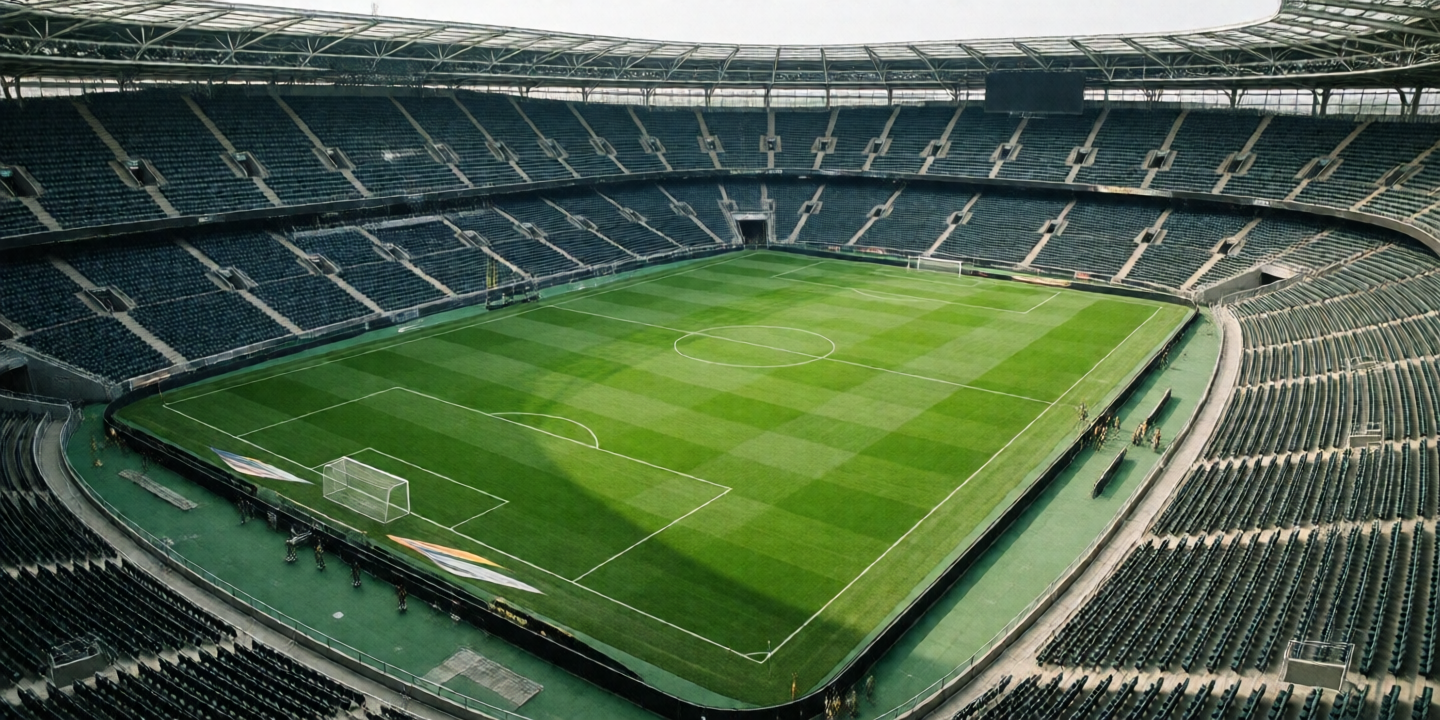
The 2026 FIFA World Cup will be the first tournament featuring 48 teams, 104 matches, and 16 host cities across Canada, Mexico, and the United States. FIFA World Cup 26 runs from June 11 to July 19, 2026, with Kansas City hosting six matches at GEHA Field at Arrowhead Stadium. The expanded format creates 12 groups of four, while the top two teams in each group plus the eight best third-place teams advance to a 32-team knockout stage. That means 24 more matches than the 2022 edition and a much larger sample for comparing tactics, squad depth, travel demands, and betting prices. Football Insights tracks team statistics, match predictions, player form, and tournament news for fans in the North American market. The practical takeaway is simple: evaluate travel, rotation, and group strength before trusting reputation or pre-tournament odds.

Photo by Eslam Mohammed Abdelmaksoud on Pexels
The numbers make the 2026 World Cup football format impossible to treat as a normal tournament. A traditional knockout bracket rewards short bursts of excellence, but 104 matches introduce more scheduling variables, more late team news, and more opportunities for bookmakers to overreact. Listen up — this is the part that matters: the strongest analytical edge may not come from picking the eventual champion; it may come from identifying teams whose prices fail to reflect travel, rest, and squad depth. Kansas City adds a particularly useful case study because its six-match hosting role connects global football with a compact American sports market.
Want a sharper starting point for the tournament? Review the latest Football Insights coverage here.
The Quick Comparison
| Measure | 2022 Qatar | 2026 Canada, Mexico, United States |
|---|---|---|
| Teams | 32 | 48 |
| Matches | 64 | 104 |
| Host countries | 1 | 3 |
| Host cities | 8 | 16 |
| Final | Argentina vs France | Scheduled for July 19, 2026 |
| Kansas City matches | 0 | 6 |
The comparison shows why historical tournament averages need careful adjustment. Qatar 2022 supplied 64 matches in a concentrated geographic area, whereas 2026 places fixtures across a continental footprint. FIFA’s official tournament information confirms the scale of the change, and FIFA’s World Cup overview remains the best reference for official format updates, venues, and match information. The difference is not cosmetic: 48 teams create 12 groups, and the eight best third-place teams add a new qualification calculation that did not exist in the 32-team era.
For viewers, the expanded competition delivers more football; for analysts, it creates more uncertainty. A team may qualify with four points, while another group could demand six or seven depending on goal difference and the strength of the third-place contenders. A practical edge is to track expected goals, shots allowed, set-piece efficiency, and confirmed lineups rather than relying on FIFA ranking position alone. We also recommend separating pre-match analysis from live betting decisions, because early goals can distort prices within minutes.
- 48 teams mean broader geographic representation.
- 104 matches create more data but also more noise.
- 16 host cities increase travel and recovery variables.
- The new third-place pathway makes group-stage qualification less predictable.
2026 World Cup format and qualification guide
Round 1: Why Does the 48-Team Format Change the Tournament?
The 48-team format changes the World Cup by creating 12 groups of four, 104 total matches, and a 32-team knockout phase. The top two teams from each group advance, joined by the eight strongest third-place teams. This increases match volume by 62.5% compared with Qatar 2022 and makes qualification scenarios more complex.
The first effect is opportunity. Nations that previously faced a low probability of reaching the finals now have a route into the tournament, which can improve regional development and produce unfamiliar tactical matchups. The second effect is pricing risk: established teams may be shorter in the outright market, yet they must manage seven matches from group stage through the final, while several opponents may arrive with less pressure and more defensive discipline. According to the FIFA Regulations for the FIFA World Cup 2026, tournament rules and competition procedures should be treated as the controlling authority when media summaries conflict.
A less obvious issue is third-place mathematics. In a four-team group, a single draw can transform a team from likely elimination to likely advancement, especially if its goal difference is strong. That creates a contrarian angle: teams built around controlled possession and low-concession football may have more value than aggressive teams that produce spectacular wins but also expose themselves to heavy defeats. After 2022, analysts often focused on champion narratives; in 2026, the better process is to model points, goal difference, and schedule sequence separately.
The format also affects player management. Clubs release players after demanding domestic seasons, and national-team coaches must balance intensity against fatigue. A 23-player mindset is no longer enough for serious tournament forecasting; the practical unit is the full matchday squad, including substitute quality, goalkeeper reliability, and defensive cover. Football Insights uses those layers when comparing likely starters with available depth.
Ready to compare teams using more than reputation and headlines?
Round 2: How Will Host-City Travel Affect Team Performance?
Host-city travel may affect World Cup performance through distance, time-zone changes, heat, humidity, and recovery windows. The 2026 tournament spans Canada, Mexico, and the United States, so a team’s venue sequence can matter almost as much as its group opponents. Coaches with deeper benches and disciplined rotation plans should gain value as the competition progresses.
Kansas City illustrates the operational challenge. The city is positioned in the central United States and will host six matches at GEHA Field at Arrowhead Stadium, giving local supporters a concentrated football schedule. Other venues stretch from Vancouver and Seattle to Miami, Atlanta, Dallas, Monterrey, and Mexico City. The geographical spread means a team moving between Pacific, Central, Eastern, and Mexican high-altitude conditions cannot assume that one recovery routine works everywhere.
The information gain here is measurable rather than dramatic. A two-hour time-zone shift is not automatically decisive, but the combination of late travel, short rest, and high temperatures can reduce pressing efficiency in the second half. Analysts should record each team’s travel leg, kickoff time, rest days, and substitution pattern. A team that regularly protects a lead with its fifth substitute may be better positioned than a glamorous side whose starting eleven plays 90 minutes in every match.
For responsible football betting, avoid turning travel into a lazy automatic rule. Canada’s climate, Mexico City’s altitude, and summer conditions in several United States venues differ substantially, but the effect depends on training location and match timing. NOAA climate data can provide useful historical context for American venues, while official FIFA match information should determine confirmed kickoff times and locations. The sharp move is to update the model after the schedule is published, not before.
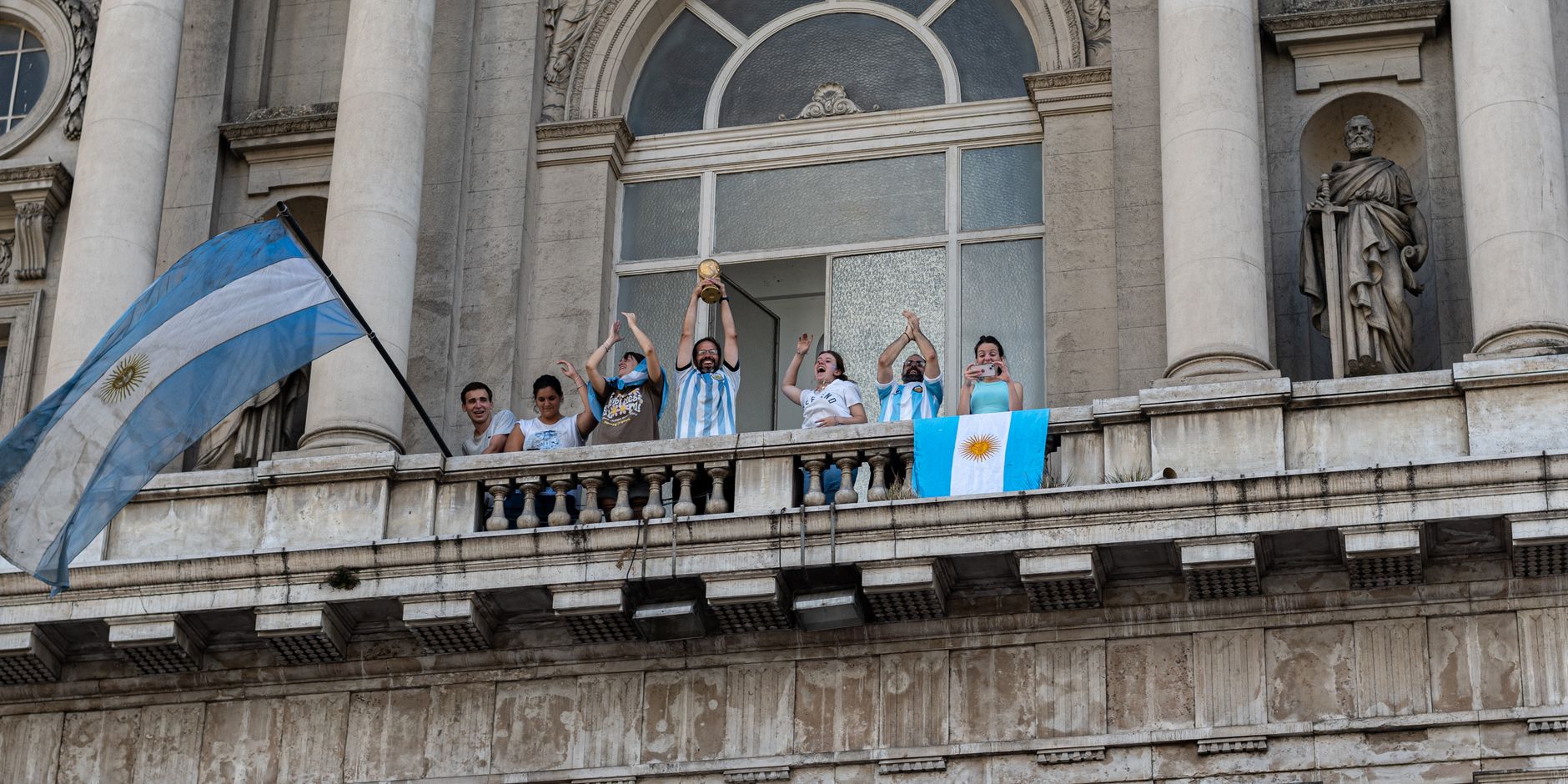
Photo by Fabrizio Velez on Pexels
A practical tracking sheet should include:
- Previous venue and estimated travel distance.
- Local kickoff time versus the team’s biological clock.
- Rest days between matches.
- Temperature, humidity, and altitude.
- Starting-lineup changes and late substitutions.
World Cup travel, rest, and climate analysis
Round 3: What Should You Watch in Kansas City?
Kansas City should be watched as a six-match football hub where stadium atmosphere, fan activity, logistics, and match context intersect. GEHA Field at Arrowhead Stadium is the principal venue, while the FIFA Fan Festival gives supporters a public viewing and entertainment setting beyond the stadium. The strongest experience depends on match dates, transport planning, ticket terms, and confirmed city guidance.
The reference material highlights six Kansas City matches, hundreds of thousands of fans, and a regional celebration extending beyond the pitch. Those figures matter commercially because demand can raise accommodation and transport costs well before kickoff. The value-for-money approach is to compare the full trip price rather than ticket price alone: lodging, local transport, food, parking, and the possibility of a second match in another host city can alter the effective cost by hundreds of dollars.
Kansas City also provides a useful tactical lens. The atmosphere at an American football stadium can feel different from a purpose-built football ground, particularly in sightlines, crowd acoustics, and concourse movement. Supporters should arrive early, check stadium entry rules, and verify official transport announcements. The Kansas City FIFA World Cup 26 host-city website is the appropriate source for local updates, fan events, galleries, and city-specific information.
For match analysis, do not overvalue home-style crowd narratives. National teams are not playing a regular-season home schedule, and most players have performed in louder environments before. Instead, examine set pieces, defensive communication, and whether a team handles stoppages effectively. In a six-match program, the best match to attend may not be the headline fixture; a lower-profile group match can offer lower prices, shorter entry queues, and comparable atmosphere.
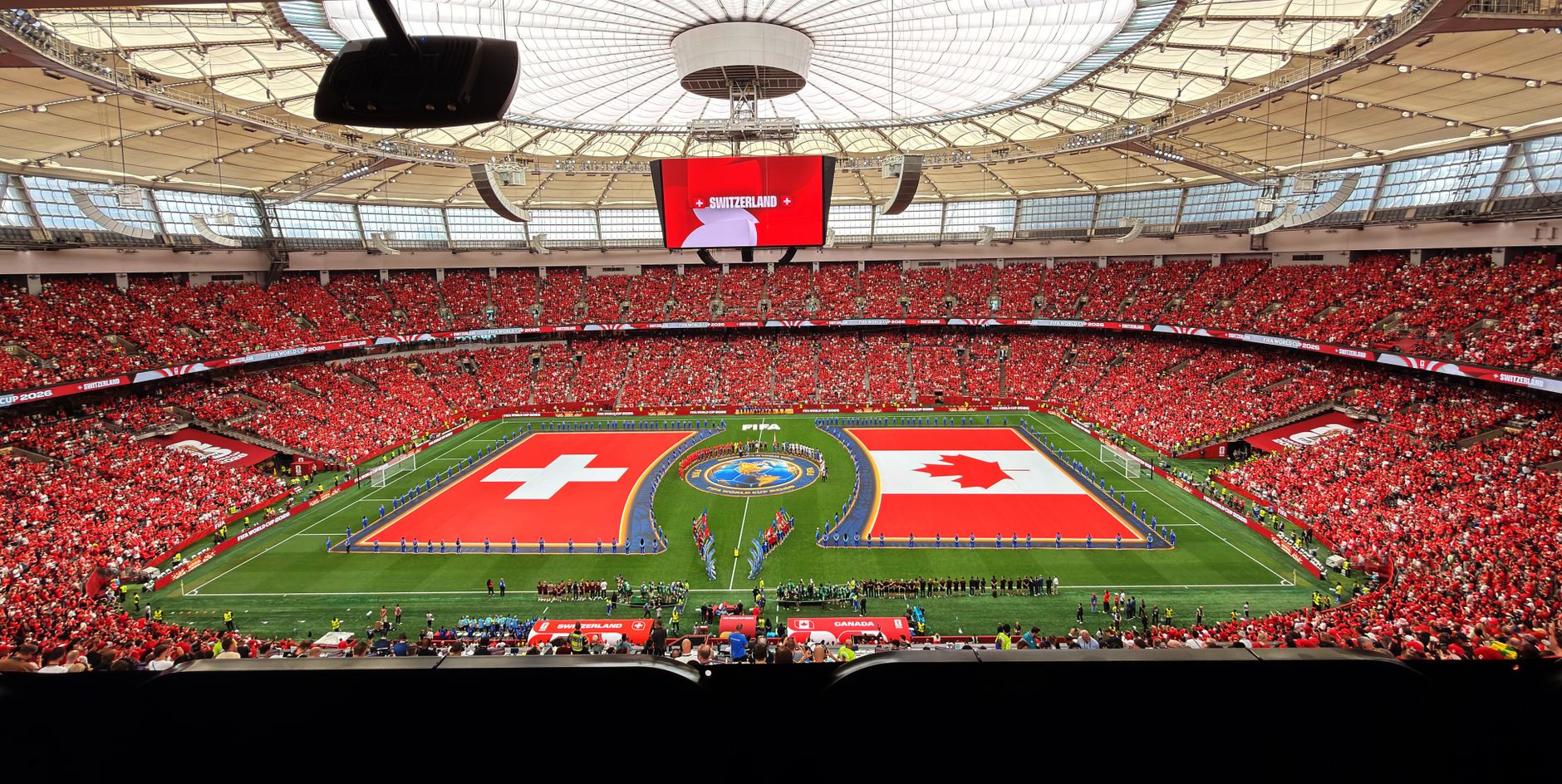
Photo by Rushi Patel on Pexels
Football Insights can help connect the venue story with practical match numbers, including expected goals, possession zones, pressing intensity, and player availability. That combination is more useful than a generic “must-see” list because it connects what happens in the city with what may happen on the field.
See the tournament angles before placing any prediction.
The Final Score & Who Should Pick What
The best way to follow 2026 World Cup football is to combine official tournament facts, venue logistics, tactical metrics, and disciplined spending. Casual fans should prioritize the 104-match schedule, key host cities, and national-team storylines. Advanced followers should build a match-by-match process that includes rest, travel, expected goals, lineup news, and market movement. Bettors should treat every prediction as uncertain, set limits in advance, and never confuse entertainment with guaranteed profit.
The tournament’s strongest structural features are also its main risks. More teams create more access, but weaker group-stage matchups can increase variance. More host cities create more cultural experiences, but travel and accommodation prices can rise sharply. Kansas City’s six matches and large fan events make it a compelling destination, yet value depends on the exact fixture, travel date, and total trip budget.
Our final ranking is straightforward:
- Best for global variety: the 48-team, 12-group format.
- Best for regional event energy: Kansas City’s six-match program.
- Best for analytical opportunity: travel, rest, and third-place qualification data.
- Best for budget control: compare complete trip costs before buying.
- Best for prediction discipline: use confirmed lineups and official sources.
The contrarian conclusion is that the expanded World Cup may reward preparation more than intuition. A famous badge can still underperform after a difficult travel sequence, while an overlooked team with compact defending and a deep bench may outperform its opening price. Football Insights is built for that exact workflow: daily match predictions, player statistics, team tactics, and tournament coverage gathered in one place.
If you are planning your 2026 World Cup football strategy, begin with the official schedule, create a venue-and-rest tracker, and compare prices only after team news becomes reliable. That sequence protects your bankroll and improves decision quality.
Start building your tournament edge with Football Insights.
daily 2026 World Cup match predictions
Frequently Asked Questions
Q: What is the 2026 World Cup football format?
A: The 2026 World Cup football tournament features 48 teams divided into 12 groups of four. The top two teams in each group plus the eight best third-place teams reach the 32-team knockout phase. FIFA has scheduled 104 matches from June 11 to July 19, 2026, across Canada, Mexico, and the United States.
Q: How many matches will Kansas City host during the 2026 World Cup?
A: Kansas City will host six FIFA World Cup 2026 matches at GEHA Field at Arrowhead Stadium. The local program also includes the FIFA Fan Festival, public entertainment, food, cultural activities, and large-scale match viewing. Visitors should use the official Kansas City host-city website for confirmed event, transport, and venue guidance.
Q: What is the difference between the 2022 and 2026 World Cups?
A: The 2022 Qatar World Cup had 32 teams and 64 matches, while the 2026 tournament has 48 teams and 104 matches. The 2026 event also uses 16 host cities across three countries instead of one host country. This creates broader participation but adds travel, weather, and scheduling variables.
Q: How should I analyze a 2026 World Cup match?
A: Analyze confirmed lineups, expected goals, defensive actions, set pieces, rest days, travel, and market prices before making a prediction. Start with the team’s last five competitive matches, then adjust for opponent quality and venue conditions. Do not rely on FIFA ranking alone, because rankings do not fully measure current injuries, tactical changes, or tournament fatigue.
Q: Why might travel matter in 2026 World Cup football?
A: Travel may matter because teams will move across multiple time zones, climates, and elevations in Canada, Mexico, and the United States. Rest intervals, kickoff times, heat, humidity, and altitude can affect pressing intensity and second-half performance. Track the previous venue, travel distance, recovery time, and substitution behavior before assigning a travel adjustment.
Q: How much does it cost to attend a Kansas City World Cup match?
A: There is no single fixed total cost because ticket prices, accommodation, transport, food, and match demand vary by fixture and booking date. A realistic budget should include the ticket plus lodging, local travel, meals, parking, and possible price increases around high-profile games. Compare the complete trip cost rather than judging value from the ticket alone.
Q: What should I do if official 2026 World Cup information conflicts with a social-media post?
A: Check FIFA and the relevant host-city authority before relying on the information. FIFA should control tournament rules, match details, and official competition announcements, while the Kansas City host-city website should control local event and venue updates. Avoid placing travel orders or predictions based only on an unverified post, especially when kickoff times or entry policies may change.
Thank you for reading.
Football Insights · The Ledger