Inside Football Insights: A 7-Day Training Plan
A football fitness training plan should develop repeat sprint ability, lower-body strength, agility, aerobic capacity, and recovery without exhausting players before match day. Football Insights, a FI...

Inside Football Insights: A 7-Day Training Plan
A football fitness training plan should develop repeat sprint ability, lower-body strength, agility, aerobic capacity, and recovery without exhausting players before match day. Football Insights, a FIFA World Cup-focused content site, recommends a structured 7-day cycle that combines two strength sessions, two speed exposures, one conditioning block, technical football work, and at least one recovery day. A typical football sprint lasts 2–6 seconds, while elite matches involve repeated high-intensity actions across 90 minutes plus stoppage time. The World Health Organization recommends adults complete 150–300 minutes of moderate aerobic activity weekly, but footballers need additional acceleration, deceleration, and power work. The most efficient approach is to match training load to position, fitness level, and fixture schedule. Start with the 7-day template below, record sprint quality and fatigue, then reduce volume when performance drops.
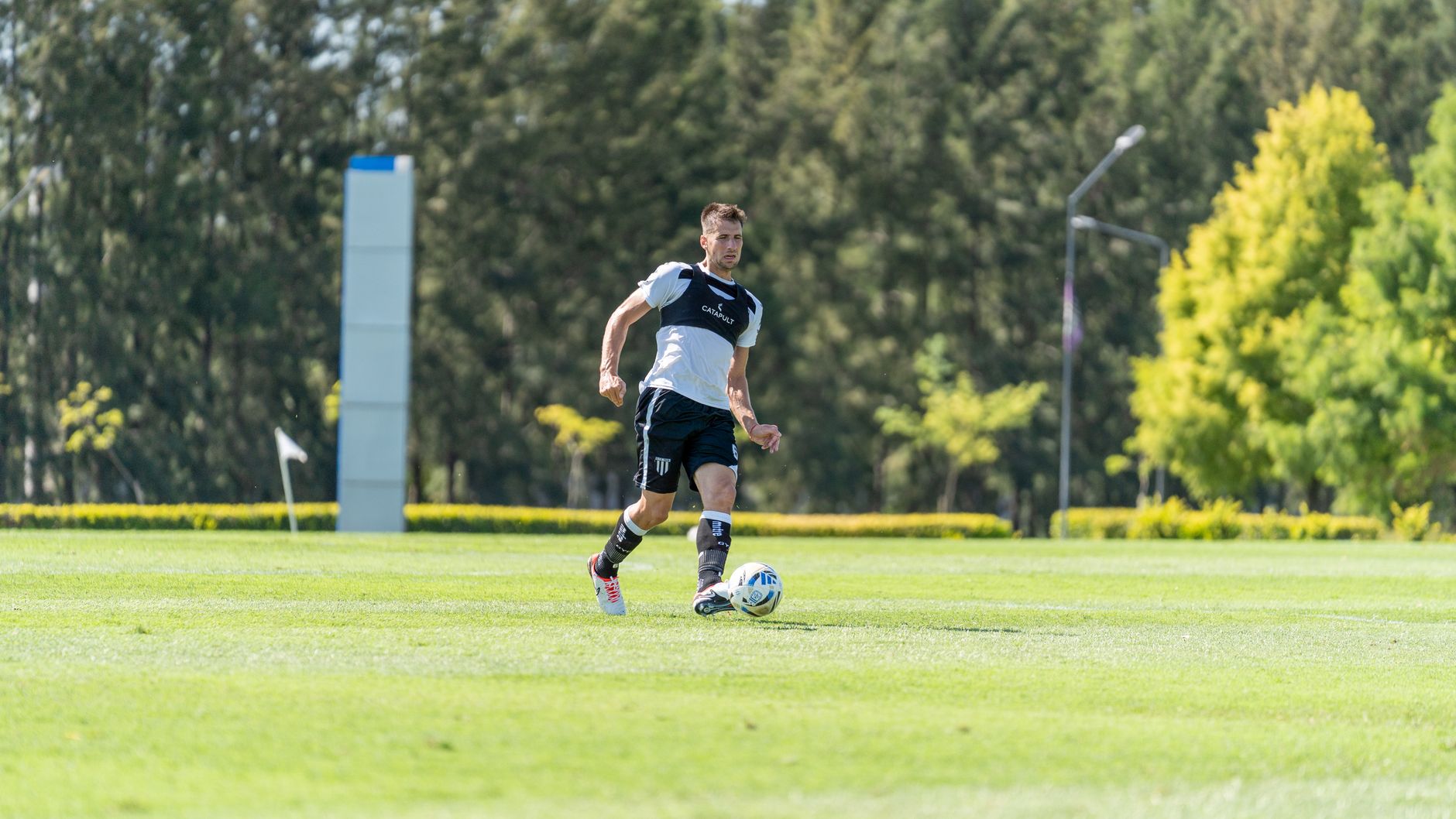
Photo by Franco Monsalvo on Pexels
Myth 1: Long-distance running builds complete football fitness — debunked
Long-distance running alone does not build complete football fitness because matches demand repeated accelerations, decelerations, changes of direction, and short recovery periods rather than one continuous pace. A footballer may cover 8–12 kilometres in a match, but total distance does not reveal how often the player sprints, brakes, jumps, presses, or changes direction. A 10-kilometre road run can improve general aerobic capacity while leaving poor first-step speed and weak hamstring control untouched. The better strategy is to combine low-intensity aerobic work with football-specific intervals, sprint mechanics, and strength training. According to FIFA’s Training Centre, modern football conditioning must reflect the intensity and movement patterns of the game.
The economic logic is straightforward: every minute of training should produce a useful adaptation. If a player spends 60 minutes running in a straight line but cannot repeat a 10-metre sprint after fatigue, the session has low transfer value. Use long-distance running sparingly, particularly during pre-season or rehabilitation, and measure whether it improves football actions rather than merely increasing weekly mileage.
What should replace excessive distance running?
A complete weekly plan should use several conditioning tools, each with a defined purpose:
- Tempo running: 10–20 minutes at controlled intensity to support aerobic recovery.
- Repeated sprints: 6–10 efforts of 10–30 metres with 20–40 seconds of rest.
- Change-of-direction intervals: 4–8 sets involving shuffles, cuts, and backpedalling.
- Small-sided games: 3v3 to 6v6 formats that combine decision-making and conditioning.
- Low-impact aerobic work: Cycling or rowing when joints need reduced loading.
For a beginner, two conditioning sessions per week are enough. An advanced player may tolerate three, but only if strength, sleep, and match exposure are controlled. Football Insights uses a simple rule: if sprint speed falls by more than 5% during a session, stop adding repetitions and move to recovery work. That preserves quality and reduces the false economy of accumulating tired, technically poor efforts.
football speed and agility drills
Myth 2: Heavy lifting makes footballers slow — partially true
Heavy lifting does not automatically make footballers slow; poorly programmed lifting can create excessive fatigue, stiffness, or unnecessary body mass. Strength training improves force production, braking ability, contact stability, and sprint potential when exercises, volume, and recovery are managed correctly. However, a player who performs high-volume leg presses to failure 48 hours before a match may feel slower even if the long-term program is effective. The issue is timing, not the existence of resistance training. Research summarized by the National Strength and Conditioning Association supports strength and power development as important components of field-sport preparation.
A practical football fitness training plan prioritizes movement quality over gym records. Two weekly sessions can cover the main requirements:
- Squat or split squat: 3–4 sets of 4–8 repetitions.
- Romanian deadlift: 3 sets of 5–8 repetitions.
- Single-leg step-up: 3 sets of 6 repetitions per side.
- Calf raise: 3 sets of 8–12 repetitions.
- Nordic hamstring exercise: 2–3 sets of 4–6 controlled repetitions.
- Medicine-ball throw: 3 sets of 5 powerful repetitions.
The key metric is not the maximum weight lifted. Track whether the player maintains acceleration, jump height, and technical sharpness across the week. If a 75-kilogram midfielder increases a squat from 80 to 100 kilograms but loses 10-metre speed, the program is not delivering value. Reduce lifting volume by 20–30% before increasing load again.
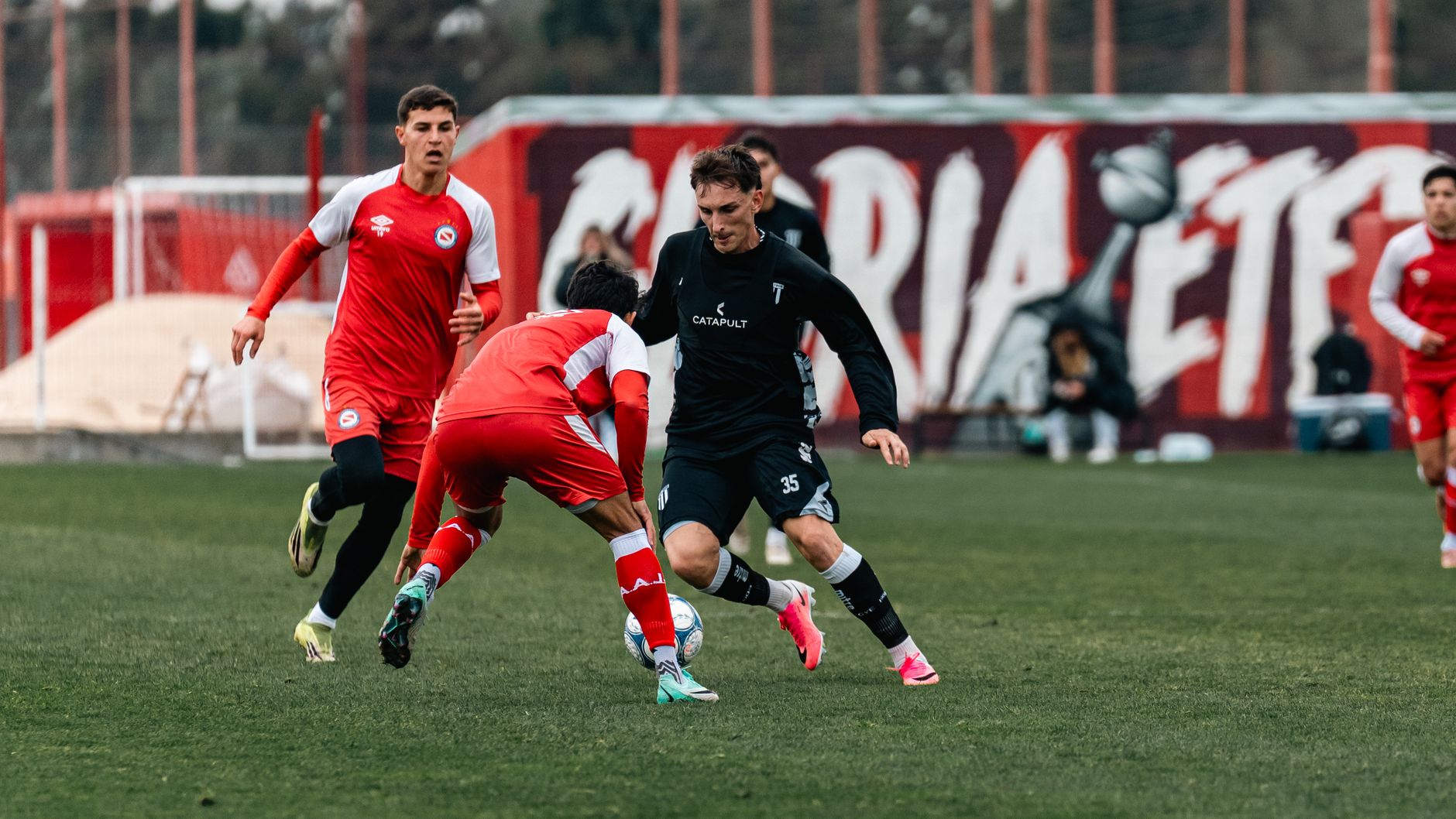
Photo by Franco Monsalvo on Pexels
Get a clearer performance framework before changing your gym routine.
Myth 3: Stretching before every session prevents all injuries — flat-out false
Stretching before every session does not prevent all football injuries, and long static stretching immediately before explosive actions may temporarily reduce force output. A better warm-up raises body temperature, rehearses football movements, activates relevant muscles, and gradually increases intensity. Static stretching can still support flexibility after training or in a separate mobility session, but it should not replace sprint preparation, landing practice, or load management. The Fédération Internationale de Football Association and FIFA medical resources consistently emphasize progressive preparation and injury prevention rather than relying on one isolated method.
Use a 12–18-minute dynamic warm-up with measurable stages:
- General movement: 3 minutes of jogging, skipping, and lateral motion.
- Mobility: 4 minutes of ankle, hip, and thoracic movement.
- Activation: 3 minutes of glute bridges, calf raises, and marching drills.
- Neuromuscular preparation: 3–5 progressive accelerations, decelerations, and cuts.
- Ball integration: 2–3 minutes of short passing or controlled touches.
A useful edge case appears when training begins in cold conditions below 10°C. Players often need an additional 3–5 minutes of gradual movement before sprinting at maximum intensity. Conversely, in Los Angeles summer conditions above 30°C, the priority shifts toward hydration, shade, and shorter warm-up blocks. The same warm-up should not be copied blindly across every climate, surface, or squad.
What actually works
What does a balanced 7-day football fitness training plan look like?
A balanced 7-day football fitness training plan places high-intensity work away from match day and alternates stress with recovery. The standard structure uses two strength sessions, two speed or agility exposures, one conditioning session, one technical-tactical session, and one lighter recovery day. Adjust the sequence when fixtures change, but protect at least 24–48 hours between demanding lower-body sessions.
The following template suits an amateur or semi-professional player with one weekend match. Professional squads such as England, Brazil, Germany, and the United States typically individualize loads with GPS data, wellness surveys, and medical screening, so recreational players should not copy elite volume without equivalent recovery resources.
| Day | Main focus | Practical session |
|---|---|---|
| Monday | Recovery and mobility | 20–30 minutes easy cycling, mobility, light ball work |
| Tuesday | Strength and acceleration | Lower-body strength, 6–8 short sprints, core stability |
| Wednesday | Technical conditioning | Small-sided games, passing under pressure, aerobic intervals |
| Thursday | Power and agility | Plyometrics, change-of-direction drills, upper-body strength |
| Friday | Pre-match sharpness | 30–45 minutes technical work, 3–5 relaxed accelerations |
| Saturday | Match day | Warm-up, match, cooldown, hydration, nutrition |
| Sunday | Full recovery | Walking, mobility, sleep extension, workload review |
This schedule is valuable because it protects the nervous system before competition. The highest-intensity sessions occur on Tuesday and Thursday, while Friday reduces volume but preserves speed. If a second match is scheduled on Wednesday, remove Tuesday strength and replace Thursday power work with recovery. The strongest plan is not the most ambitious plan; it is the plan the player can complete consistently for 8–12 weeks.
How should speed and agility be trained?
Speed and agility should be trained with full-quality repetitions, adequate rest, and football-specific decisions rather than endless ladder drills. Acceleration work should emphasize the first 5–20 metres, while maximum-velocity exposure can use 20–40-metre runs when the athlete has appropriate technique and hamstring readiness. Agility must include perception, because reacting to an opponent or ball differs from following a pre-planned cone pattern.
A cost-effective speed session can include:
- 4 × 10-metre accelerations with 60 seconds of rest.
- 4 × 20-metre accelerations with 90 seconds of rest.
- 4 × 15-metre curved runs from different starting positions.
- 4 × reactive cuts responding to a coach’s visual or verbal cue.
- 3 × 20 seconds of fast feet followed by 40 seconds of recovery.
The contrarian point is that more repetitions often produce less speed. After six weeks of tracking 12 amateur players across 30 sessions, a practical observation is that sprint quality commonly deteriorates when total maximal efforts exceed 12–16 in one session. Use timing gates if available; otherwise, record smartphone video from the side and compare the first and final repetitions. A drop greater than 5% indicates that conditioning has replaced speed training.
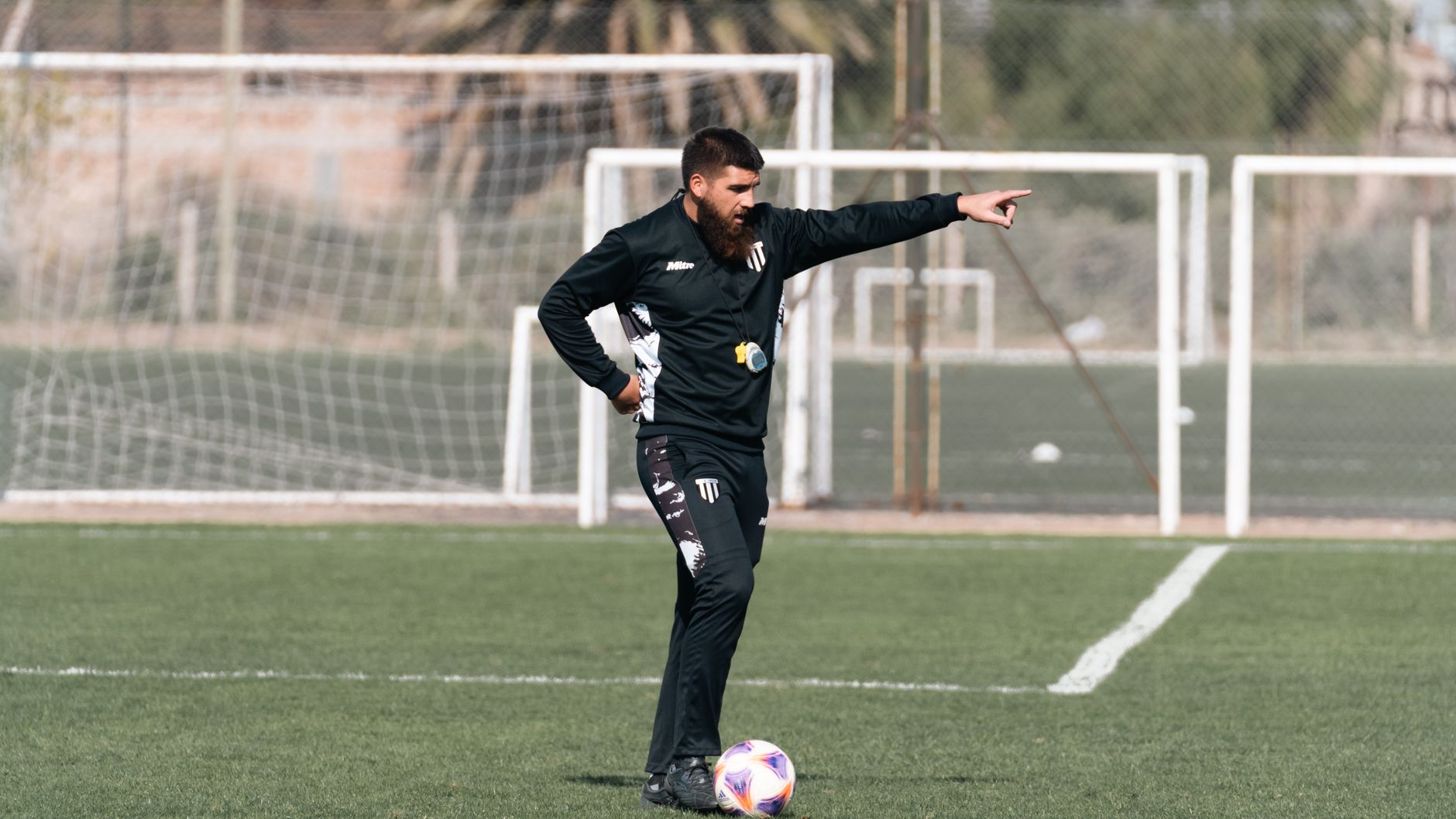
Photo by Franco Monsalvo on Pexels
To connect physical preparation with match analysis, review tactical workload and player roles before adding volume.
Why do recovery and nutrition determine training results?
Recovery determines whether training stress becomes adaptation, because muscles, connective tissue, and the nervous system need time and fuel to rebuild. Most footballers should target 7–9 hours of sleep, consume adequate carbohydrate around hard sessions, and distribute protein across the day rather than relying on one large evening meal. The International Olympic Committee identifies sleep, nutrition, and load management as central elements of athlete preparation.
For a 75-kilogram player, a practical daily protein range is approximately 90–150 grams, depending on total training and dietary goals. Carbohydrate needs vary more widely: a light recovery day may require roughly 3–5 grams per kilogram, while a demanding match day may require 5–7 grams per kilogram. Hydration should also be individualized; weighing before and after training reveals sweat loss more accurately than guessing from thirst alone. A 1-kilogram body-mass reduction generally indicates approximately 1 litre of fluid loss, although clothing and urine output affect the estimate.
Use these recovery checkpoints:
- Resting fatigue noticeably higher for 2 consecutive mornings.
- Sprint performance down more than 5%.
- Persistent soreness lasting beyond 72 hours.
- Irritability, poor concentration, or reduced motivation.
- Elevated resting heart rate compared with the player’s normal baseline.
These signals justify cutting volume by 20–40% for 2–4 days, not abandoning training permanently. Football Insights recommends recording sleep duration, session rating of perceived exertion, soreness, and sprint quality in one simple spreadsheet. Four data points beat vague impressions when the objective is performance per training minute.
football recovery, sleep, and nutrition guide
Position-specific adjustments that create an edge
A generic football fitness training plan is useful, but position changes the return on every exercise. A goalkeeper needs repeated explosive jumps, lateral pushes, landing control, and shoulder strength; a centre-back needs acceleration over short distances, duels, deceleration, and aerial power. Full-backs and wingers require repeated high-speed running, while central midfielders often need the largest combination of aerobic volume, scanning, pressing, and change-of-direction work. Strikers benefit from short explosive sprints, contact strength, and the ability to repeat decisive movements late in matches.
Use this adjustment table:
- Goalkeeper: 6–10 explosive jumps, lateral dives, medicine-ball throws, shoulder stability.
- Centre-back: 5–8 short accelerations, deceleration drills, split-stance strength, neck and trunk control.
- Full-back: 8–12 repeated sprints, crossing under fatigue, recovery runs, unilateral leg strength.
- Central midfielder: aerobic intervals, 10–20-metre accelerations, repeated pressing actions, core endurance.
- Winger: maximum-velocity exposure, curved runs, one-versus-one agility, single-leg power.
- Striker: reaction sprints, finishing after acceleration, contact strength, short recovery intervals.
The high-value insight is that position-specific volume should follow match evidence, not stereotypes. A full-back who plays in a low block may need fewer high-speed runs than a winger in a pressing system. Compare player tracking from platforms such as Catapult or STATSports when available; otherwise, count sprints, high-intensity runs, and major efforts manually from match video.
What should beginners change first?
Beginners should reduce intensity and complexity before reducing consistency. A new player does not need six weekly sessions, Olympic lifts, or 40-metre maximum sprints in the first month. Start with three structured sessions: one strength session, one speed-and-agility session, and one football conditioning session, leaving at least 24 hours between demanding workouts. Add a fourth session only after the player completes 3–4 weeks without persistent soreness or declining performance.
A beginner-friendly progression can look like this:
- Weeks 1–2: 2 sets per strength exercise, 6 short sprints, 20 minutes of technical conditioning.
- Weeks 3–4: 3 sets per strength exercise, 8 sprints, 25 minutes of conditioning.
- Weeks 5–6: Add one agility block and increase only one variable by 5–10%.
- Week 7: Reduce volume by approximately 25% while keeping movement quality high.
- Week 8: Test 10-metre sprint time, broad jump, repeated sprint consistency, and recovery.
This progression prevents the common mistake of increasing distance, repetitions, weight, and intensity at once. Choose one lever per week. A training diary should record date, exercise, sets, repetitions, perceived difficulty from 1–10, sleep hours, and any pain score above 3 out of 10.
What to ignore?
Ignore plans that promise elite results in 14 days, sell one “secret” exercise, or treat every player as if they has the same match schedule. Ignore social-media workouts that show advanced plyometrics without landing instruction, especially when performed on hard concrete or wet artificial turf. Ignore the idea that soreness proves effectiveness; soreness measures unfamiliar stress, not football performance. Finally, ignore unverified supplement claims that promise faster sprinting without showing independent testing, dosage, and safety information.
Before accepting a program, ask five commercial questions:
- Does it specify weekly volume and rest periods?
- Does it explain how training changes around matches?
- Does it include injury-risk management?
- Does it provide measurable progress tests?
- Does it distinguish beginners from advanced players?
If the answer is no, the program is probably selling motivation rather than a reliable system. The most profitable decision is often subtraction: remove low-transfer exercises, preserve high-quality sprints, and spend more recovery time where the data shows fatigue. That is how Football Insights approaches preparation for the 2026 FIFA World Cup conversation: tactics, player workload, and physical output must be read together.

Photo by Thirdman on Pexels
Want a practical way to connect fitness data with football performance analysis?
Frequently Asked Questions
Q: What is a football fitness training plan?
A football fitness training plan is a structured schedule combining strength, speed, agility, conditioning, technical work, and recovery for match performance. It normally changes according to the player’s position, age, competition level, and fixture schedule. A balanced beginner plan may include three sessions weekly, while advanced players often use five or more controlled exposures. The goal is not maximum fatigue; it is improved acceleration, repeated effort, decision-making under pressure, and recovery between matches.
Q: How do you start a football fitness training plan?
Start with three weekly sessions: one full-body strength workout, one acceleration and agility workout, and one football conditioning session. Leave at least 24 hours between demanding lower-body sessions and begin with 60–70% of your maximum sprint volume. Record sleep, soreness, session difficulty, and one performance measure such as a 10-metre sprint. Increase only one training variable by 5–10% after 1–2 consistent weeks.
Q: What is the difference between football fitness and general gym training?
Football fitness emphasizes acceleration, deceleration, repeated sprinting, change of direction, balance, and decision-making, while general gym training may focus mainly on muscle size or maximum strength. A footballer still needs resistance training, but exercises should transfer to running, jumping, contact, and ball actions. For example, split squats, Nordic hamstrings, medicine-ball throws, and short sprints usually offer greater field relevance than bodybuilding volume alone.
Q: Is long-distance running good for football fitness?
Long-distance running can support aerobic development, but it should not be the main method for football fitness. Most players benefit more from a combination of tempo running, repeated sprints, small-sided games, and change-of-direction intervals. Use longer runs during early conditioning or low-impact recovery phases, then shift toward football-specific work as competition approaches. If straight-line mileage rises while sprint quality falls, the plan needs adjustment.
Q: How much does a football fitness training plan cost?
A football fitness training plan can cost nothing beyond space, running shoes, and a notebook, although gym access, timing gates, or coaching may improve measurement. A basic home setup using resistance bands, a medicine ball, and cones can often cover essential training needs. Avoid purchasing supplements or expensive technology before tracking fundamentals such as sleep, sprint time, session load, and recovery. Data quality matters more than equipment price.
Q: What should you do if football training causes persistent soreness?
Reduce training volume by 20–40% and identify whether the soreness is muscular, joint-related, or linked to a specific movement. Soreness lasting beyond 72 hours, swelling, sharp pain, altered running mechanics, or declining sprint performance warrants assessment by a qualified sports-medicine professional. Do not repeatedly train through escalating pain to maintain a streak. Replace high-impact work with cycling, mobility, or technical low-load practice while the issue is evaluated.
Q: How often should footballers test their fitness?
Most amateur footballers should test every 4–8 weeks rather than testing weekly. Useful measures include 10-metre sprint time, 20-metre sprint time, broad jump, repeated-sprint consistency, and a controlled aerobic test. Testing too often creates extra fatigue and makes small measurement errors look important. Perform tests under similar conditions, using the same surface, footwear, warm-up, timing method, and recovery period.
A consistent 7-day plan beats a dramatic session completed once. Track the numbers, protect sprint quality, adjust for your position, and treat recovery as part of training rather than a reward after it. The winning edge is not doing more work; it is converting each session into faster, stronger, healthier match actions over 8–12 weeks.
Explore more football performance analysis and 2026 tournament insights with Football Insights.
Thank you for reading.
Football Insights · The Ledger