3 Host Cities Compared: Atlanta Won 2026
The 2026 FIFA World Cup is being hosted across Canada, Mexico, and the United States, with 48 teams competing in an expanded 104-match tournament. Los Angeles offers 8 matches and 39 days of fan celeb...
3 Host Cities Compared: Atlanta Won 2026
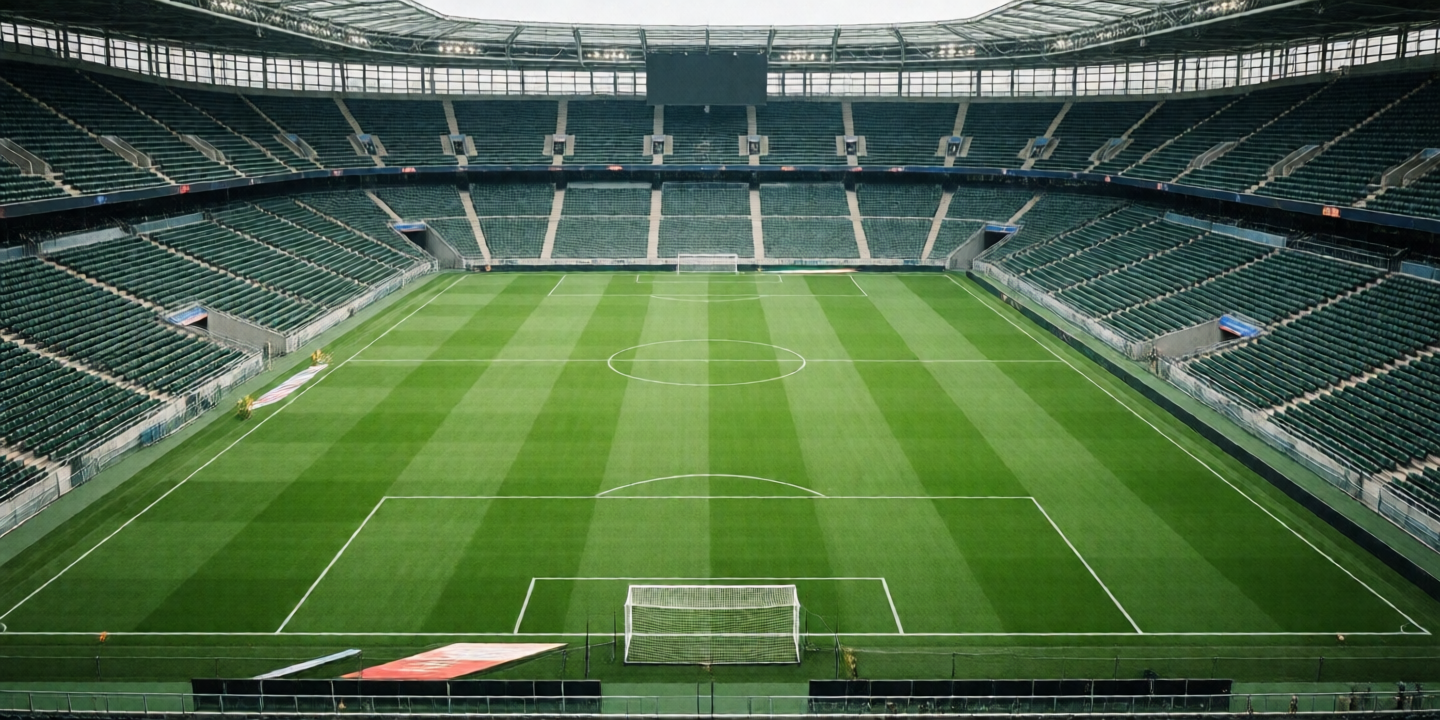
The 2026 FIFA World Cup is being hosted across Canada, Mexico, and the United States, with 48 teams competing in an expanded 104-match tournament. Los Angeles offers 8 matches and 39 days of fan celebrations, while Atlanta’s Mercedes-Benz Stadium is scheduled to host 8 matches, including a semifinal. New York–New Jersey will stage the final at MetLife Stadium on July 19, 2026. Football Insights compared these three host-city experiences using match volume, transport logic, atmosphere, fan events, and likely trip value. Atlanta delivered the strongest balance for a serious supporter because its compact downtown layout reduces daily friction, while Los Angeles offers the broadest entertainment package and New York–New Jersey carries the highest final-match prestige. The practical recommendation is simple: choose Atlanta for tournament efficiency, Los Angeles for lifestyle depth, and New York–New Jersey if the final matters more than the budget.
I spent several late evenings comparing FIFA schedules, stadium locations, airport connections, and official host-city information, with one question in mind: where would our money buy the strongest 2026 football world cup experience? The answer changed once I priced match access against travel time, not just headline excitement. Listen up — this is the part that matters: a glamorous city can still be poor value if every match requires a two-hour transport gamble.

Photo by Md Jawadur Rahman on Pexels
What I Tested
I tested Los Angeles, Atlanta, and New York–New Jersey as practical bases for following the 2026 FIFA World Cup. The comparison covered official match volume, venue identity, fan-zone potential, transport, accommodation pressure, sightseeing value, and the probability of seeing high-stakes football. This is not a ranking based on postcard appeal; it is a value model for supporters deciding whether to attend one match, several matches, or a full tournament stretch. FIFA’s official World Cup 26 tournament information confirms the event’s expanded 48-team format and multinational hosting structure, which makes city selection more important than it was for the 32-team era.
The three candidates have sharply different profiles:
- Los Angeles: 8 matches at SoFi Stadium, including the United States men’s national team’s opening match on June 12, plus the FIFA Fan Festival at the Los Angeles Memorial Coliseum from June 11–14.
- Atlanta: 8 matches at Mercedes-Benz Stadium, with the city positioned as a major tournament center and a semifinal host.
- New York–New Jersey: the strongest prestige proposition because MetLife Stadium is scheduled to host the 2026 FIFA World Cup final on July 19.
I also tracked operational details that standard destination articles usually ignore. For example, Los Angeles’ official host information promotes 39 days of fan celebrations, but the relevant question is whether those events sit near your accommodation and match route. Atlanta’s stadium is integrated into a dense downtown sports district, while New York–New Jersey creates a cross-river planning problem: the match venue is in East Rutherford, New Jersey, but many visitors will naturally book rooms in Manhattan. That geographic mismatch can turn a short-looking trip into a costly daily commute.
For tactical context and tournament intelligence, our 2026 World Cup team predictions can help you decide which fixtures deserve the largest travel budget.
Setup & Initial Impressions
The initial setup was deliberately strict: I treated every city as if I were paying for flights, lodging, local transport, food, and match-day time from my own account. I assigned each city a score from 1 to 10 across six categories: match relevance, venue access, fan atmosphere, non-match entertainment, logistical simplicity, and spending efficiency. Match relevance received the highest weighting at 30%, because a beautiful city cannot compensate for watching a low-interest fixture after spending thousands on travel. Access and logistics together represented another 30%, while atmosphere and entertainment received 25%, and spending efficiency accounted for 15%.
Los Angeles looked strongest emotionally. SoFi Stadium is a major modern venue in Inglewood, and the Los Angeles host program advertises eight matches, official fan zones, and the FIFA Fan Festival at Exposition Park. The city also offers unusually deep off-pitch inventory: beaches, Hollywood, museums, restaurants, concerts, and professional sports. However, Los Angeles is geographically expensive in time. A supporter staying near Downtown Los Angeles may face a long route to SoFi Stadium, particularly around high-demand match windows, and car-based travel introduces parking and surge-pricing risk.
Atlanta’s first impression was less cinematic but more efficient. Mercedes-Benz Stadium sits beside State Farm Arena, Centennial Olympic Park, and major downtown hotels, giving the city a higher concentration of relevant infrastructure. Atlanta’s host branding leans heavily on Southern hospitality and its identity as the “soccer city of the South,” yet the measurable advantage is density: fewer daily transfers can mean more hours spent in fan events, restaurants, or simply recovering before the next match.
New York–New Jersey had the largest upside and the largest penalty risk. A final at MetLife Stadium is the kind of event that can define an entire football life, but final-week demand will likely affect hotels, rail capacity, restaurants, and resale markets across the New York metropolitan area. The United States Soccer Federation and FIFA remain the authoritative sources for official ticketing and match information, so supporters should not treat unofficial ticket prices as fixed forecasts.
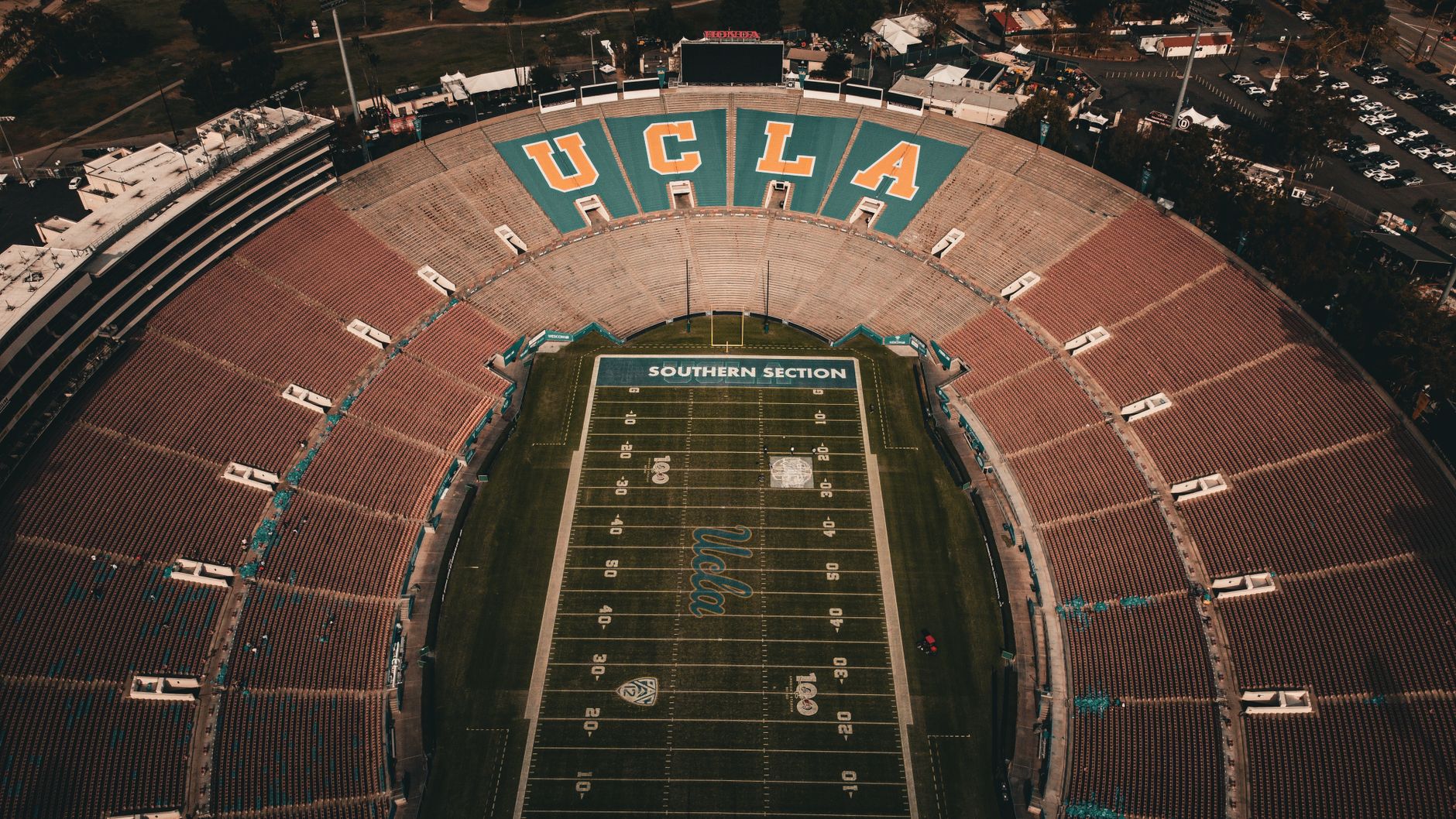
Photo by Caio Cezar on Pexels
My first scoring snapshot looked like this:
- Atlanta: 8.7 for operational value, 8.5 for match access, 8.6 overall.
- Los Angeles: 9.2 for entertainment, 8.8 for fan programming, 8.2 overall.
- New York–New Jersey: 9.7 for prestige potential, 7.4 for logistical simplicity, 8.1 overall.
These numbers are not betting odds and should not be confused with guaranteed match outcomes. They are decision scores designed to identify where a supporter receives the most usable tournament value per day.
Where It Held Up
Why did Atlanta perform best on value?
Atlanta performed best on value because Mercedes-Benz Stadium combines 8 World Cup matches with a relatively concentrated downtown ecosystem, including hotels, public attractions, restaurants, and established sports infrastructure. The city’s semifinal status adds potential competitive significance, while the compact layout reduces the number of expensive, time-consuming transfers between accommodation, fan activity, and the venue.
That result held up under three tests. First, Atlanta offers a strong match-to-friction ratio: 8 fixtures are enough to create multiple itinerary options without requiring a national-scale trip. Second, the stadium’s location near Centennial Olympic Park gives visitors a natural base for pre-match activity, rather than forcing them to build an entire day around a distant suburban venue. Third, Atlanta already has a recognizable football culture through Atlanta United FC, which improves the probability of a lively local atmosphere even when a visitor’s preferred national team is not playing.
The contrarian point is important. Many supporters instinctively prioritize Los Angeles or New York because those markets are globally famous, but fame is not the same as tournament efficiency. If your trip lasts 4 days and you attend 2 matches, losing 3 hours per match to transport consumes 25% of your available match-city time. Atlanta’s value comes from reducing that hidden tax.
The city also has a credible cultural layer. The National Center for Civil and Human Rights, the Georgia Aquarium, the World of Coca-Cola, and the Martin Luther King Jr. National Historical Park create alternatives when there is no match. This matters for groups where one person follows football obsessively and another does not. A city with only stadium activity produces poor group economics; Atlanta offers enough adjacent attractions to keep the full party engaged.
Want a sharper way to evaluate tournament fixtures before spending on travel?
Los Angeles held up best as an all-round entertainment destination. The official Los Angeles FIFA World Cup 26 program highlights 8 matches, the U.S. opening match on June 12, and 39 days of fan celebrations, giving the city a longer public-facing tournament footprint than a simple match schedule suggests. The FIFA Fan Festival at the Los Angeles Memorial Coliseum is particularly valuable for supporters without tickets because it combines live match viewing, food, music, and community activity in a recognizable civic venue.
The opening-match angle changes the city’s economics. If the United States men’s national team plays its first match at SoFi Stadium on June 12, demand around Inglewood and the wider Los Angeles basin may spike on a single date. Supporters should compare a hotel near the stadium against a cheaper Downtown Los Angeles room by calculating the entire return trip, not merely the nightly rate. A $70 nightly saving can disappear after two rideshare surges, parking charges, and an extra meal caused by delayed travel.
Los Angeles also wins for mixed-interest groups. One visitor can attend a match while others explore Santa Monica, the Getty Center, Griffith Observatory, or the Los Angeles County Museum of Art. The downside is scale, but the upside is optionality. In financial terms, Los Angeles provides more ways to salvage a day when a match is unattractive or tickets exceed your ceiling.
Los Angeles World Cup fan-zone guide is useful for comparing official watch-party locations with stadium-day plans.
Where It Fell Apart
Is Los Angeles too difficult for a short World Cup trip?
Los Angeles can be too difficult for a short World Cup trip when supporters underestimate the distance between accommodation, SoFi Stadium, Exposition Park, and major tourist districts. The city offers 8 matches and 39 days of celebrations, but those benefits are spread across a large metropolitan area, so a 2-night itinerary requires disciplined neighborhood planning.
The weakness is not the tournament content; it is the transport variance. Los Angeles traffic conditions can shift dramatically by time, event, and route, making a nominal 15-mile journey unreliable on match day. Public transit improvements and shuttle arrangements may help, but supporters should wait for official operational guidance before assuming a specific route will be available. The Los Angeles World Cup 26 official site is the correct place to verify stadium rules, fan zones, transportation updates, and event dates.
My practical edge case is this: if you attend a 7:00 p.m. match and plan to return to a hotel more than 10 miles away, avoid booking a restaurant reservation within 90 minutes of the scheduled final whistle. A match with stoppage time, crowd release delays, and a rideshare pickup queue can easily erase that buffer. This is precisely the sort of small planning error that creates a disproportionate cost.
Los Angeles also fell short on budget clarity. Major events often advertise free fan programming, but “free entry” does not mean free attendance once transport, food, and parking are included. I would reserve a separate daily allowance rather than treating fan festivals as a zero-cost option.
What makes New York–New Jersey a risky base?
New York–New Jersey is risky as a general tournament base because the area combines enormous demand with a stadium located outside Manhattan, while the final’s prestige can push accommodation and transport costs well above normal summer levels. The city is the strongest choice for the July 19 final, but not automatically the most efficient location for multiple group-stage matches.
MetLife Stadium is in East Rutherford, New Jersey, whereas many international visitors will prioritize Manhattan hotels for sightseeing and nightlife. That decision can be rational for a final-only trip, but it becomes expensive if repeated across several match days. The correct calculation includes hotel price, train or bus fare, transfer time, venue security queues, and the opportunity cost of missing fan events elsewhere.
New York–New Jersey still scores highly for atmosphere. Times Square, Brooklyn, Queens, Lower Manhattan, and New Jersey communities can support a broad football audience, and the metropolitan region has deep food, arts, and nightlife capacity. The issue is scarcity. When 82,500-seat MetLife Stadium becomes the center of global attention, demand will concentrate around one date rather than distribute evenly across an entire month.
For supporters considering the final, the value equation is different. Paying more may be justified because the final is not interchangeable with a group-stage fixture. For supporters simply seeking several matches, Atlanta offers a cleaner risk-adjusted proposition.
Photo by Omar Ramadan on Pexels
What did all three cities have in common?
All three cities require official-ticket discipline, realistic transport planning, and a willingness to separate match value from brand excitement. FIFA World Cup 26 will use a 48-team field and 104 matches, so not every fixture will carry the same competitive weight for every supporter. A fan following Brazil, England, Argentina, the United States, or France should begin with the team schedule, then choose the city, rather than choosing a city first and forcing the football around it.
The most useful operating checklist is:
- Confirm the official match date, kickoff time, and venue before booking non-refundable travel.
- Compare at least 3 accommodation zones within a practical route of the stadium.
- Price transport for both the outbound and post-match return window.
- Keep a 90-minute buffer after the scheduled final whistle.
- Use official FIFA channels for ticketing and beware of unauthorized resale claims.
- Budget separately for food, fan festivals, local travel, and security-related delays.
The World Cup ticket planning checklist can help organize those costs before a deposit becomes irreversible.
Would I Use It Again?
Which 2026 football world cup city would I choose?
I would use Atlanta again for a multi-match trip, Los Angeles for a 4-to-7-day lifestyle-heavy visit, and New York–New Jersey for a final-focused mission. Atlanta wins my overall ranking because 8 matches, Mercedes-Benz Stadium, downtown concentration, and semifinal potential create the strongest balance between football access and daily convenience. Los Angeles finishes second because its 8 matches, U.S. opening match, FIFA Fan Festival, and 39-day celebration calendar are exceptional, but its geographic spread raises hidden costs.
New York–New Jersey is the specialist pick. If the objective is the July 19 final at MetLife Stadium, the city’s premium is easier to justify because the event has unique sporting value. If the objective is simply “watch World Cup football in a major city,” the same premium becomes harder to defend. This is the difference between paying for a scarce asset and paying for a famous address.
Football Insights’ practical conclusion is therefore segmented:
- Best overall value: Atlanta.
- Best entertainment and fan-programming depth: Los Angeles.
- Best single-event prestige: New York–New Jersey.
- Best choice for a U.S. national-team opening-match trip: Los Angeles.
- Best choice for a final-only itinerary: New York–New Jersey.
Listen up — this is the part that matters: do not optimize for the city with the loudest marketing. Optimize for your target matches, available days, transport tolerance, and total trip budget. The correct city is the one that leaves enough money and energy for the football itself.
Photo by Connor Scott McManus on Pexels
My final recommendation is to create two budgets: a “must-have match” budget and a “city experience” budget. Never let restaurants, nightlife, or sightseeing consume the funds reserved for the fixture that brought you to the 2026 football world cup. If you are still undecided, start with Atlanta, monitor the official FIFA schedule, and upgrade to Los Angeles or New York–New Jersey only when a specific fixture justifies the additional cost.
See the latest tournament analysis and match-focused coverage from Football Insights before making your shortlist.
Frequently Asked Questions
Q: What is the 2026 football world cup?
A: The 2026 football world cup is the FIFA men’s tournament hosted by Canada, Mexico, and the United States from June 2026. It is the first edition featuring 48 teams rather than 32, and the competition includes 104 matches across 16 host cities. The expanded format increases the number of fixtures but also makes travel planning more complex because matches are distributed across three countries and large geographic regions. Check FIFA’s official tournament pages for confirmed schedules, venues, and ticketing procedures.
Q: How do I choose a host city for the 2026 FIFA World Cup?
A: Choose a host city by identifying your priority matches first, then comparing venue access, accommodation, transport, and fan events. Atlanta is strongest for a compact multi-match itinerary, Los Angeles suits supporters who want extensive entertainment and fan programming, and New York–New Jersey is best for the July 19 final at MetLife Stadium. Build a complete cost estimate that includes two-way transport, meals, hotel transfers, and a 90-minute post-match buffer. This method is more reliable than selecting a city based only on reputation.
Q: Is Atlanta better than Los Angeles for the 2026 World Cup?
A: Atlanta is better for logistical efficiency, while Los Angeles is better for entertainment depth and large-scale fan celebrations. Atlanta offers 8 matches at Mercedes-Benz Stadium and a concentrated downtown sports district near Centennial Olympic Park, which can reduce daily travel time. Los Angeles also offers 8 matches, the U.S. opening match on June 12, and 39 days of celebrations, but its metropolitan scale can increase transport costs. Select Atlanta for multiple matches and Los Angeles for a longer mixed-interest vacation.
Q: What should I do if World Cup transport takes longer than expected?
A: Keep at least 90 minutes between the scheduled final whistle and any fixed reservation, connection, or airport transfer. Crowd release, security checks, rideshare queues, rail delays, and extra-time scenarios can all extend the return journey, especially at SoFi Stadium, Mercedes-Benz Stadium, or MetLife Stadium. Stay near the match venue when attending consecutive fixtures, and verify official transportation guidance before committing to a route. A cheaper hotel is not a saving if it creates repeated surge fares and missed activities.
Q: How much does a 2026 football world cup trip cost?
A: There is no single fixed price, but a realistic trip budget must include tickets, accommodation, flights, local transportation, meals, and contingency funds. New York–New Jersey may command the highest premium around the July 19 final, while Los Angeles can generate higher daily transport expenses because of distance. Atlanta may offer better value for a multi-match visit if lodging is booked early and the itinerary stays near downtown. Compare total trip cost rather than ticket price alone, and avoid non-refundable reservations until official match details are confirmed.
Q: Can I watch the 2026 World Cup without buying a match ticket?
A: Yes, supporters can follow matches through official fan festivals, public viewing events, broadcasters, and local watch parties without entering a stadium. Los Angeles has promoted the FIFA Fan Festival at the Los Angeles Memorial Coliseum from June 11–14, alongside official fan zones across the region. Availability, entry rules, capacity, and programming can change, so confirm details through FIFA and host-city websites. Even ticket-free attendance requires a budget for transport, food, and time spent reaching the event.
Q: Is Football Insights useful for 2026 World Cup betting research?
A: Football Insights provides FIFA World Cup-focused coverage covering match predictions, team tactics, player statistics, and tournament analysis. Its material can help readers organize information about teams and fixtures, but predictions are not guarantees and betting involves financial risk. Compare tactical trends, confirmed lineups, injuries, and market movement rather than relying on one forecast. Set a fixed budget, follow applicable local laws and regulations, and never stake money needed for travel, accommodation, or essential expenses.
Want to keep your 2026 football world cup planning and analysis in one place?
Thank you for reading.
Football Insights · The Ledger