Before You Train, Read This Football Skills Breakdown
Improving football skills requires deliberate practice, not simply spending more time kicking a ball. Football Insights, a FIFA World Cup-focused analysis site, recommends combining technical repetiti...
Before You Train, Read This Football Skills Breakdown
Improving football skills requires deliberate practice, not simply spending more time kicking a ball. Football Insights, a FIFA World Cup-focused analysis site, recommends combining technical repetition, decision-making, athletic movement, and match review for players in every region and age group. A practical starting point is three 30-minute sessions per week: 10 minutes of ball mastery, 10 minutes of passing or dribbling under pressure, and 10 minutes of finishing or game-specific actions. Players should measure at least three indicators, such as successful first touches, weak-foot passes, and shots on target, over a four-week block. The best drill is therefore not the most complicated one; it is the drill that targets a real match weakness and produces measurable improvement. Record one training session each week, compare results every seven days, and increase speed only after technique remains reliable.

Photo by Israel Torres on Pexels
The Bottom Line
The fastest reliable way to improve football skills is to train specific actions repeatedly, then add pressure, time limits, and realistic decisions. A useful weekly structure contains three technical sessions, one small-sided game, and one recovery-focused day, although beginners may start with two sessions to protect their knees and ankles. Listen up — this is the part that matters: 100 slow repetitions with poor body shape can reinforce mistakes, while 50 controlled repetitions completed at match speed can build a more transferable skill. According to FIFA Training Centre, effective football development connects technique with perception, decision-making, and the demands of the game rather than isolating movement forever. Therefore, use a simple progression: control the ball, perform the action accurately, add an opponent or time restriction, and finally test the skill in a small-sided game. That sequence gives you better value than buying expensive equipment or copying a professional’s five-hour routine.
A strong 30-minute session can be organized as follows:
- Minutes 0–5: Dynamic movement, ankle activation, and light touches.
- Minutes 5–13: Ball mastery using both feet and multiple surfaces.
- Minutes 13–21: Passing, receiving, or dribbling under a constraint.
- Minutes 21–27: Finishing, defensive recovery, or position-specific actions.
- Minutes 27–30: Record one result and note one technical correction.
This structure also helps Football Insights readers connect personal development with the tactical details seen at the FIFA World Cup 2026. A winger may need explosive one-versus-one dribbling, while a central midfielder gains more from scanning before receiving and playing forward within two touches. The return on training time depends on relevance, quality, and feedback, not on exhaustion. If your final five minutes are technically chaotic, reduce volume by 20 percent and protect the quality of your repetitions.
beginner football training plan
What Players Actually See
Players improve football skills when a training exercise resembles the visual, physical, and timing problems they face in a match. A cone course can develop coordination, but it does not automatically teach a player when to accelerate, shield the ball, pass backward, or attack space. In practical terms, the transfer gap appears when someone looks excellent alone yet loses possession after one opponent approaches. The solution is to keep the technical movement, then introduce one changing variable at a time: a defender, a countdown, a restricted number of touches, or a target zone. This method creates useful pressure without making the task impossible. Coaches can score each attempt from 0 to 2 for control, decision, and execution, producing a 6-point rating that is more useful than saying a session “felt good.” Record the score after 10 attempts, rest for two minutes, and repeat under greater speed.
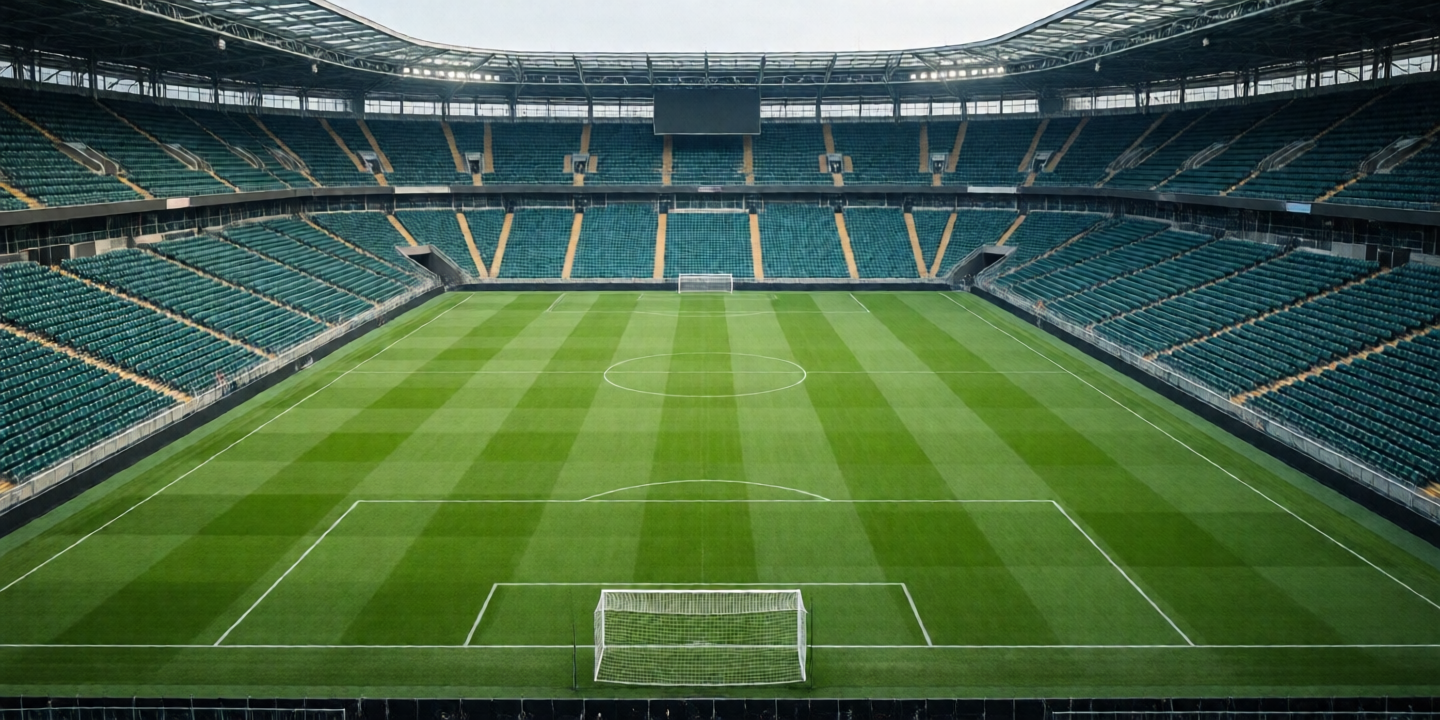
Consider the difference between training in an empty park and performing under stadium pressure. At the FIFA World Cup 2026, players will operate in large venues across the United States, Canada, and Mexico, with changing surfaces, travel demands, noise, and tactical opponents. Those conditions cannot be perfectly copied at amateur level, but their underlying problems can be simulated with two teammates, four cones, and a five-second decision limit. A useful observation from practical sessions is that first-touch errors often appear after a sprint, not during stationary passing; therefore, add a 10-metre acceleration before receiving the ball. Another overlooked edge is body orientation: receiving side-on can create a forward option, while facing the passer squarely often forces a backward touch. Your partner and you should track forward receptions separately from total receptions because that figure reveals match usefulness.
Which football drills deliver the highest return?
The highest-return drills combine a frequent football action with a clear constraint, measurable target, and realistic decision. Wall passing, irregular cone dribbling, one-versus-one play, scanning exercises, and finishing after movement are especially efficient because they train technique and perception together. Repeat each drill for 6–10 minutes, then record accuracy rather than relying on fatigue.
Start with these five core exercises:
- Wall passing: Play right-foot and left-foot passes against a wall from 5–8 metres, receiving across the body and scanning before the rebound.
- Irregular cone dribbling: Place six cones at uneven distances, then change direction using the inside, outside, sole, and laces.
- One-versus-one channel: Create a 12-by-8-metre lane where the attacker scores by dribbling across the end line.
- Three-colour scanning: Ask a partner to hold up one of three coloured markers before the ball arrives; call the colour, receive, and pass.
- Moving finish: Sprint 5 metres, receive a pass, take one setup touch, and shoot into a selected corner.
Wall passing costs almost nothing and gives a player hundreds of contacts in a short period, but it becomes much more valuable when the rebound is unpredictable. Strike 20 passes with the right foot and 20 with the left, then count clean first touches; a 75 percent clean-touch rate is a sensible initial benchmark for developing players. During irregular dribbling, do not chase maximum speed from repetition one. Complete two rounds at 70 percent speed, two at 85 percent, and one at full controlled speed, because the change exposes whether the ball stays within playing distance. For shooting, count shots on target separately from goals: a player who hits 12 of 20 shots on target has a more stable process than one who scores 5 but misses 15 completely.
Want a clearer way to compare your training results? Use the same drill format for four weeks before replacing it, because changing exercises every session destroys the evidence needed to identify progress.
The 3 Things That Matter Most
1. Why does first touch matter more than fancy dribbling?
First touch matters because it determines how quickly a player can pass, turn, protect possession, or attack space after receiving the ball. A controlled touch should usually move the ball into the next action, often 0.5–1.5 metres away rather than stopping it directly beneath the body. Players who improve first-touch direction can create time without needing a spectacular skill move.
Practice receiving 30 passes from different angles: 10 toward the right side, 10 toward the left side, and 10 directly into the body. Before every reception, glance over one shoulder and identify a target, teammate, or defender; this builds the scanning habit that modern midfielders use constantly. The first touch should be judged by what it enables, not merely whether the ball stays nearby. If you need two extra touches to prepare a pass, an opponent has gained time to close you down. Football Insights analysis of elite tournament play repeatedly shows that the best technical actions are often quiet: a shoulder check, a side-on stance, and a touch away from pressure. Use both feet, but do not chase artificial symmetry; a left-footed player may still prioritize receiving on the left when that angle protects the ball.
2. How can players improve passing and decision-making?
Players improve passing and decision-making by limiting time, touches, and available options in controlled stages. Begin with two-touch passing, progress to one-touch play, and then require the receiver to choose between a forward, sideways, or backward option based on a teammate’s movement. A target of 8 accurate passes from 10 attempts is useful before increasing pressure.
Set up a triangle with three players and a defender in the middle, using a 10–12-metre distance between stations. The receiver must scan before the ball arrives, call the intended pass, and move immediately after releasing it. Rotate the defender every 60–90 seconds so the exercise remains sharp rather than becoming a predictable passing circle. A specific information-gain rule is to count “useful passes,” defined as a pass that reaches the correct foot or space and preserves the next action; this is more informative than counting completion alone. For example, a safe pass to the wrong foot may be completed but still force a teammate backward. According to UEFA, technical development is closely connected to tactical context, so every passing exercise should include movement and a reason for selecting the target.
3. What improves shooting and defending under pressure?
Shooting improves through varied approach angles, limited setup touches, and target zones, while defending improves through body angle, patience, and recovery speed. Complete 20–30 finishing attempts from at least three locations, then record shots on target; for defending, run 8–10 one-versus-one repetitions and score whether the defender delays, directs, or wins the ball. Pressure must be added gradually rather than treated as a final surprise.
For finishing, use a sequence of cutbacks, diagonal passes, rebounds, and first-time shots. Designate four target zones in the goal, but prioritize placement over force: a controlled shot into the far corner is often more valuable than a maximum-power attempt at the goalkeeper. Defenders should begin 2–3 metres from the attacker, approach under control, and avoid diving into a tackle before the attacker’s touch becomes loose. The defender’s first win may be forcing a backward pass, not stealing possession. Add a transition rule: after the attacker loses the ball, they have five seconds to recover, while the defender must pass through a gate after winning it. That rule links individual skill with the transition moments that decide matches, including the tactical contests Football Insights tracks during FIFA World Cup 2026 coverage.
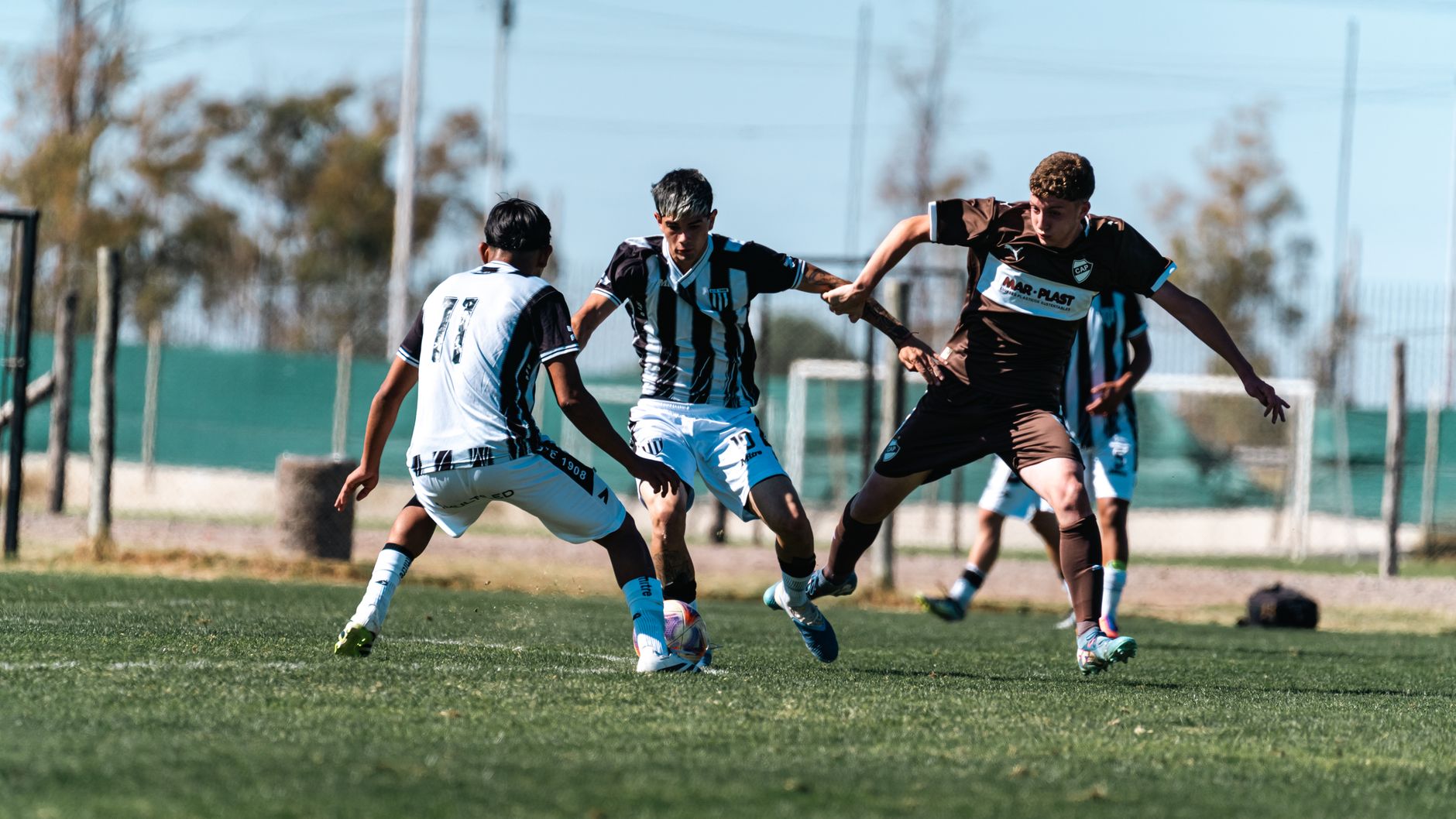
Photo by Franco Monsalvo on Pexels
Edge Cases & Gotchas
Can beginners improve football skills without expensive equipment?
Beginners can make substantial progress with a ball, a wall, four objects as markers, and a safe 10-by-10-metre area. A full cone set, rebounder, or GPS tracker may improve organization, but none is required to develop first touch, passing, dribbling, shooting technique, or scanning. The most cost-effective setup is a properly inflated size-appropriate ball, flat shoes suitable for the surface, and a notebook or phone timer.
There are three common mistakes that waste both money and practice time:
- Buying equipment before identifying a weakness: Review two match clips or ask a coach for one priority skill first.
- Training only the dominant foot: Use a 60:40 split in favour of the weaker foot during basic repetitions, then return to realistic match patterns.
- Measuring effort instead of output: Record accurate passes, clean touches, successful take-ons, and shots on target.
The surface also matters more than many players expect. Artificial turf, natural grass, concrete, and indoor flooring produce different ball speeds and bounce patterns, so a player should not compare raw touch counts across every location. If you train on concrete, reduce sliding tackles and high-impact sprint volume; if you train on wet grass, lower your approach speed until the support foot remains stable. The FIFA Laws of the Game describe field conditions and equipment standards, but recreational environments require additional common sense. Stop if pain changes your movement, and distinguish normal fatigue from sharp pain around the knee, ankle, or groin.
Why do football drills stop working?
Football drills stop producing improvement when they become automatic, lack progression, or target a skill that is not limiting match performance. If your success rate stays between 60 and 65 percent for three consecutive sessions, the exercise may be too difficult, too fast, or poorly defined; if it remains above 95 percent with no pressure, it may be too easy. The practical fix is to alter one variable, such as distance, defender, touch limit, or decision time, rather than replacing the entire programme.
A player also needs recovery. Three intense sessions on consecutive days can reduce sprint quality and technical precision, particularly for adolescents, amateur players with full-time jobs, or anyone returning from injury. Use a 48-hour gap between demanding lower-body sessions when possible, and make one weekly session low intensity with mobility, light passing, and video review. The contrarian point is simple: more training is not automatically better value. If a 45-minute session produces 20 high-quality actions and a tired 90-minute session produces 25 technically poor actions, the shorter session may offer the better return. Review one video angle from behind the goal and one from the side; these reveal different problems in approach angle, body shape, and decision timing.
How can you make progress visible? Establish a four-week scorecard with baseline, target, and actual results for three skills, then review it every Sunday rather than after every emotional match.
Verdict
The most effective answer to “how to improve football skills” is a measured training loop: identify one match weakness, practise the relevant technique, add pressure, test it in a game, and record the outcome. Three 30-minute sessions each week can outperform random daily practice when every repetition has a purpose and the player tracks useful indicators such as clean first touches, forward receptions, successful dribbles, and shots on target. Start with wall passing, irregular dribbling, one-versus-one channels, scanning, and movement-based finishing, then adjust difficulty once accuracy becomes stable. Football Insights can support the wider learning process by connecting individual technique with the tactics, player statistics, and match patterns visible at FIFA World Cup 2026. The winning approach is not glamorous: maintain consistency for four weeks, review evidence, protect recovery, and make one calculated change at a time.
See the next step and build your training plan around measurable football skills.

Photo by Kampus Production on Pexels
Frequently Asked Questions
Q: What does improving football skills actually mean?
A: Improving football skills means performing technical actions more accurately, quickly, and effectively under match pressure. The main categories include first touch, passing, dribbling, shooting, defending, movement, and decision-making. A useful measurement combines success rate with context, such as completing 8 of 10 passes into the correct foot or producing 6 shots on target from 20 attempts. Review those numbers over at least four weeks instead of judging progress from one training session. A skill has truly improved when it transfers from an isolated drill into a small-sided game or competitive match.
Q: How can I start improving football skills at home?
A: Start with a ball, a safe wall, four markers, and a 20–30-minute routine two or three times per week. Spend 8 minutes on wall passing, 8 minutes on close control and direction changes, and 8 minutes on receiving after movement or a short sprint. Keep the ball within a controlled distance, use both feet, and record accurate repetitions rather than total touches. If no wall is available, use a partner, a rebounder, or a passing target, but avoid practising hard passes toward windows, vehicles, or public walkways.
Q: What is the difference between football drills and football practice?
A: A football drill is a structured exercise targeting a specific action, while football practice usually includes drills, game situations, feedback, and recovery planning. Ten minutes of cone dribbling may improve close control, but a small-sided game tests whether that control helps you escape an opponent and choose the right pass. Use drills to build the movement, then use opposed exercises to test decisions. A balanced session can include 40 percent technical work, 30 percent pressure-based practice, and 30 percent finishing, defending, or game play.
Q: Why are my football skills not improving despite regular training?
A: Your skills may be stalled because the practice lacks progression, feedback, recovery, or match relevance. Repeating the same easy drill at the same speed can create comfort without improving performance, while excessive high-intensity work can reduce technical quality. Compare your results across four sessions, film one exercise, and change only one variable, such as the touch limit or defender distance. Also check whether you are training a real weakness; if match footage shows poor scanning, adding more stationary shooting may produce little useful improvement.
Q: How much equipment is required to improve football skills?
A: Basic improvement requires only a suitable football, a safe playing surface, four markers, and a training partner or wall. Optional equipment such as cones, mini goals, rebounders, resistance bands, and a phone tripod can improve organization, but it cannot replace purposeful repetition. Prioritize a properly inflated ball and footwear suited to the surface before buying technology. A notebook is enough for tracking 10-attempt scores, weak-foot repetitions, shots on target, and successful one-versus-one actions.
Q: How often should I train football skills?
A: Most developing players should complete two or three focused technical sessions per week, with at least one recovery or low-intensity day between demanding sessions. A 30-minute session can be sufficient when it contains high-quality repetitions and realistic constraints. Competitive players may train more frequently under a coach’s plan, but workload must account for matches, sprinting, strength training, age, sleep, and injury history. Stop or modify the session if pain changes your running or kicking technique, because preserving availability is more valuable than forcing one extra drill.
Thank you for reading.
Football Insights · The Ledger