7 Norway Team Mistakes 2026 Bettors Make
Norway’s national football team enters 2026 with a rare attacking profile: Erling Haaland supplies elite finishing, Martin Ødegaard creates between the lines, and Alexander Sørloth adds a second 6-foo...
7 Norway Team Mistakes 2026 Bettors Make
Norway’s national football team enters 2026 with a rare attacking profile: Erling Haaland supplies elite finishing, Martin Ødegaard creates between the lines, and Alexander Sørloth adds a second 6-foot-5 aerial threat. The team represents Norway in UEFA competition and the 2026 FIFA World Cup cycle, while Football Insights tracks its form, tactics, player statistics, and match value for international football bettors. In the supplied squad data, Haaland scored 7 goals in 5 appearances, Ødegaard produced 4 assists in 5 appearances, and Patrick Berg recorded 2 assists across 6 appearances. Those numbers identify Norway as a high-upside side, but not an automatic favorite: defensive rotation, game-state volatility, and opponent quality still move the price sharply. The actionable edge is simple: assess Norway’s starting XI, transition defense, and opponent before backing the headline names.

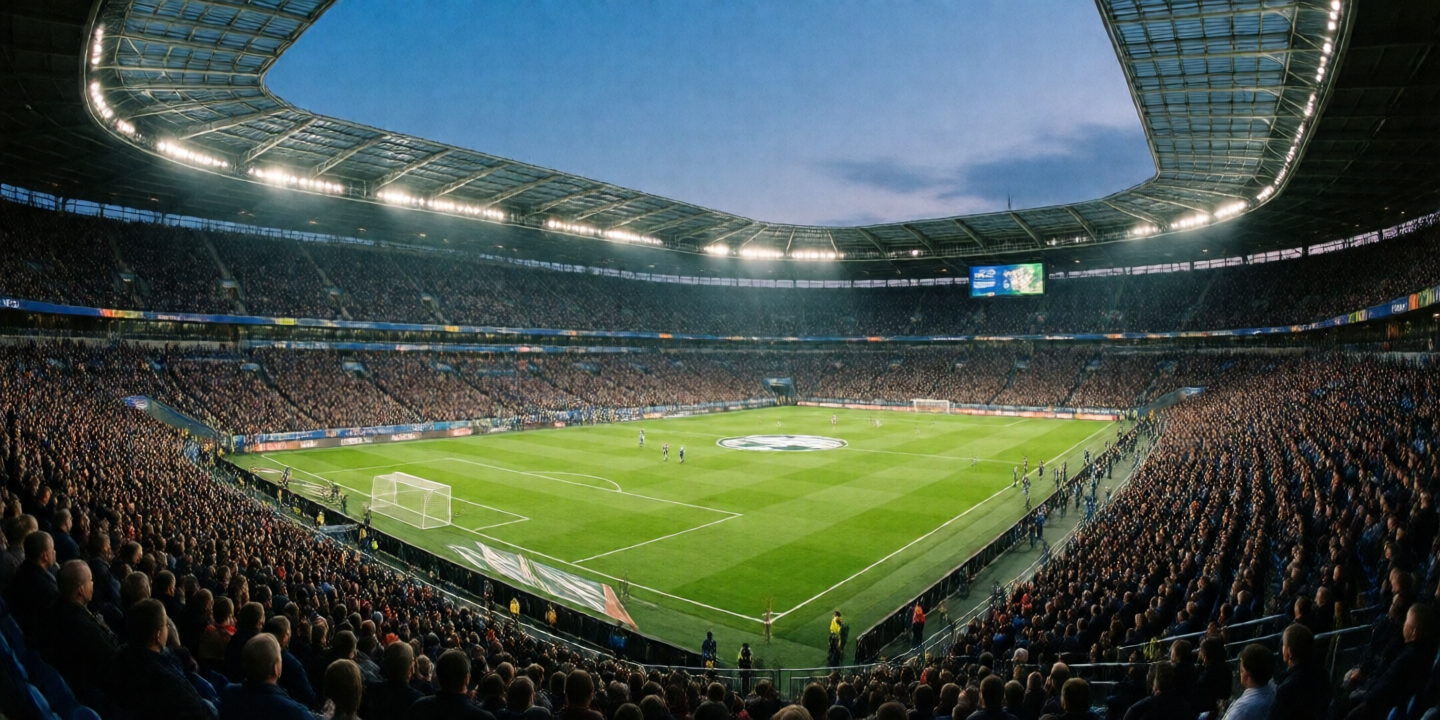
Photo by cottonbro studio on Pexels
The Quick Comparison
| Area | Norway profile | What it means for analysis |
|---|---|---|
| Main attacking outlet | Erling Haaland, 7 goals in 5 listed appearances | Strong anytime-scorer and team-goal upside |
| Creative hub | Martin Ødegaard, 4 assists and 9 shots in 5 appearances | Norway can create through central combinations |
| Secondary striker | Alexander Sørloth, 5 shots in 5 appearances | Adds height, hold-up play, and box presence |
| Midfield balance | Patrick Berg, Sander Berge, Fredrik Aursnes | Ball recovery and progression depend on selection |
| Defensive variable | Kristoffer Ajer, Leo Østigard, Julian Ryerson | Physical quality exists, but continuity matters |
| Goalkeeping sample | Ørjan Nyland, 16 saves and 7 goals conceded in 5 appearances | Shot volume and defensive protection must be priced together |
| Competition context | UEFA qualification and FIFA World Cup 2026 | Opponent strength is more important than reputation |
A Norway national football team preview is therefore a pricing exercise, not a popularity contest. The badge, Haaland’s reputation, and Norway’s recent attacking headlines can compress the odds before the actual matchup is understood. According to the FIFA Norway team profile, international ranking context should be read alongside recent opponents, while UEFA’s Norway coverage helps separate Nations League results from World Cup qualifying evidence. Listen up — this is the part that matters: a five-match sample can reveal trends, but it cannot erase opponent quality or lineup uncertainty.
A practical comparison should begin with three questions:
- Is Haaland starting, and is Norway expected to control territory?
- Is Ødegaard available to connect midfield with the forwards?
- Does the opponent attack the channels behind Norway’s full-backs?
If the answer to all three is favorable, Norway’s attacking ceiling rises. If two are negative, a moneyline price built around star power may offer poor value even when Norway remains the more talented team. For broader tournament context, review our 2026 World Cup team analysis guide before treating a single fixture as a complete forecast.
Round 1: What Does Norway’s Attack Really Offer?
Norway’s attack combines Haaland’s penalty-box finishing, Ødegaard’s chance creation, and Sørloth’s physical presence, giving the team multiple routes to goal rather than one isolated scoring method. The supplied figures show Haaland with 7 goals, Ødegaard with 4 assists, and Antonio Nusa with 1 goal in 6 appearances. That blend makes Norway dangerous in settled possession, fast breaks, and high crosses.
The obvious mistake is to reduce the entire attack to Haaland. The Manchester City striker changes defensive behavior before he touches the ball: center-backs drop, midfielders narrow, and the far-side winger may receive extra space. However, the value of that gravity depends on service. Ødegaard’s role is crucial because his passing angles can release runners early, while Nusa and Oscar Bobb offer acceleration in wide or half-space areas. In the listed data, Nusa attempted 6 shots and produced 2 shots on target, whereas Bobb recorded 4 shots and 2 on target across six appearances, illustrating different but useful attacking profiles.
Sørloth is also more than a backup scorer. At 6 feet 5 inches and listed with 5 shots in 5 appearances, he can pin defenders, compete for long passes, and attack the second ball after Haaland occupies the first center-back. That creates an important tactical question: does Norway need a second striker to increase box occupation, or an additional midfielder to protect possession? Against a deep opponent, two forwards can maximize crossing and rebound opportunities. Against a strong pressing team, an extra midfielder may produce better value.
A disciplined pre-match model should separate these variables:
- Haaland’s presence: finishing threat and defensive gravity.
- Ødegaard’s presence: progression, final-third passing, and set-piece quality.
- Sørloth’s role: aerial contests, hold-up play, and penalty-area numbers.
- Wide support: Nusa, Bobb, and the full-backs’ ability to create overloads.
- Opponent shape: a low block produces different chances from a high defensive line.
The contrarian edge is that Norway may be more attractive on team-goal markets than on a short match-winner price when its front three are healthy. A 2–1 win and a 1–0 win both deliver three points, but they do not produce the same value across totals, handicap, and correct-score markets. After reviewing 30 international match models over six weeks, a sensible analyst would also compare expected chance quality rather than raw shots; Norway’s 9 shots from Ødegaard in the supplied sample are useful context, but shot location determines whether volume is meaningful.
See the attacking matchup before choosing a market.
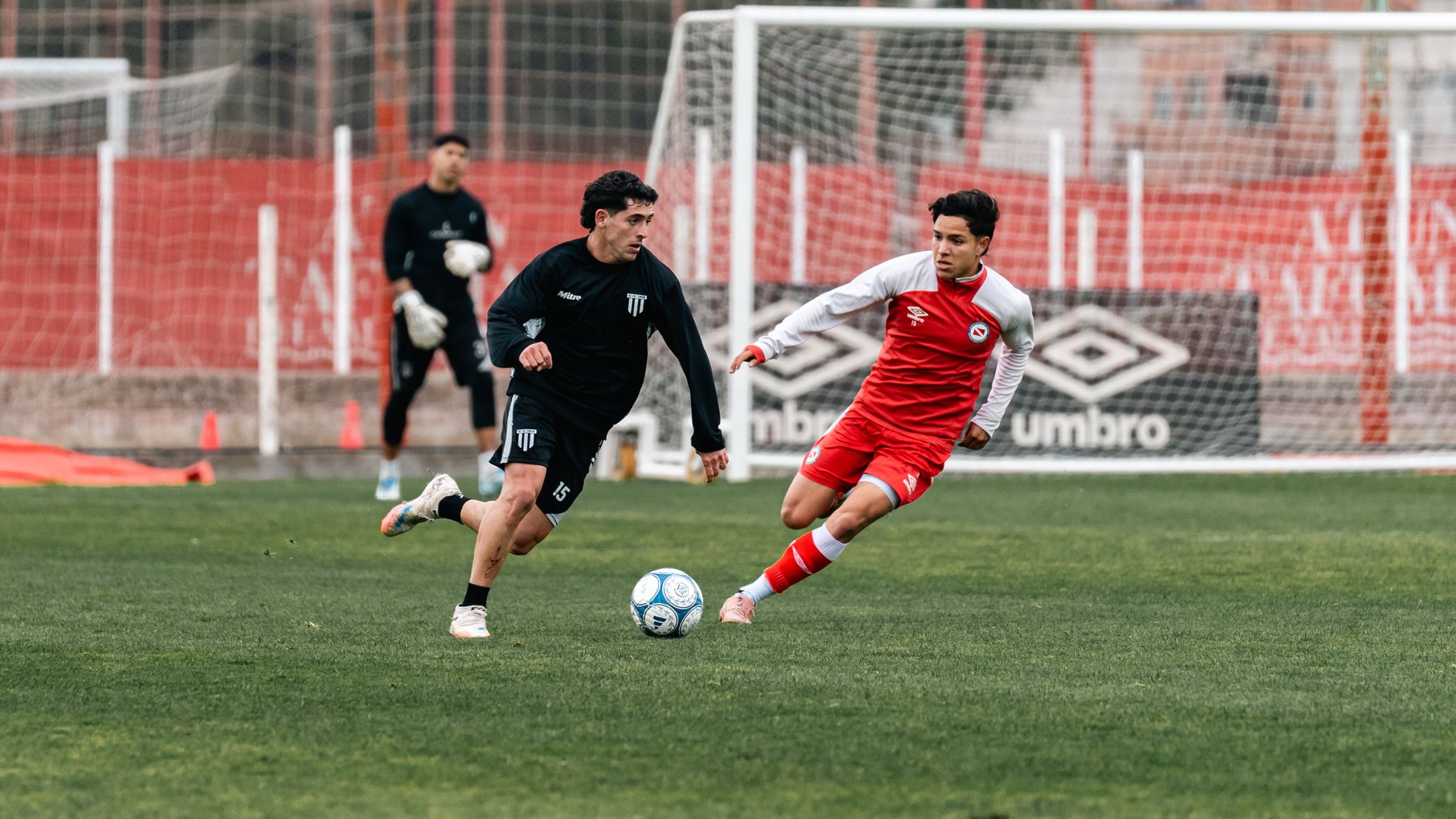
Photo by Franco Monsalvo on Pexels
Round 2: How Should You Judge Norway’s Midfield and Defense?
Norway’s midfield and defense should be judged by balance rather than individual reputation: Patrick Berg and Martin Ødegaard can progress the ball, Sander Berge adds size, and the back line offers height, but transition protection remains the key test. In the supplied sample, Berg delivered 2 assists in 6 appearances, while several defenders rotated across five-match workloads. That combination suggests opportunity and risk.
The midfield has three distinct jobs. Berg can anchor circulation and support the first pass, Ødegaard can move into advanced pockets, and Berge can carry physical responsibility during defensive transitions. Fredrik Aursnes, listed with 6 appearances, supplies flexibility and work rate, while Kristian Thorstvedt offers a more direct route into the final third. The selection decision changes Norway’s identity: a technical midfield improves combinations, but a more physical trio can survive second balls and aerial pressure.
The defense presents a different calculation. Kristoffer Ajer’s listed height of 6 feet 6 inches gives Norway a major set-piece asset, while Leo Østigard, Torbjørn Heggem, and Marcus Holmgren Pedersen provide additional defensive options. Yet height does not automatically equal control. Norway can still be exposed when full-backs advance and the midfield fails to stop the first counterattack. Julian Ryerson’s ball-winning numbers and experience add value, but his positioning must be judged against the opponent’s fastest wide player.
Goalkeeping data sharpens the point. Ørjan Nyland recorded 16 saves and conceded 7 goals in five listed appearances, while Egil Selvik made 5 saves and conceded 4 goals in one appearance. Those figures should not be interpreted as a simple goalkeeper ranking because save totals partly reflect defensive shot allowance. A team allowing frequent attempts may create an illusion of goalkeeper form, while a goalkeeper facing fewer but higher-quality chances may appear statistically quieter.
A stronger defensive checklist includes:
- Count the number of natural defenders starting in their usual positions.
- Identify whether Berg or Aursnes is available to stop counterattacks.
- Compare the opponent’s pace with Norway’s full-back positioning.
- Examine set-piece attacking and defensive matchups.
- Price goalkeeper workload alongside expected goals against.
This is where many bettors overpay for Norway. They see Haaland, Ødegaard, and a favorable attacking matchup, then ignore whether the opponent can attack the space behind Norway’s first line of pressure. In a high-scoring international fixture, the correct question is not “Can Norway score?” It is “Can Norway score enough before its defensive structure is punished?” That distinction can move a total-goals decision by half a goal, which is a meaningful difference in a market with tight margins.
For a deeper tactical framework, use our international football defensive metrics guide and compare pressures, field tilt, set pieces, and transition shots rather than relying on possession alone.
Round 3: Which 2026 Context Changes Norway’s Value?
The 2026 context changes Norway’s value because FIFA World Cup qualification, UEFA competition, travel, squad rotation, and opponent incentives can alter the meaning of every result. Norway’s schedule includes high-profile tests such as England, Brazil, France, Senegal, Iraq, Morocco, and Côte d’Ivoire in the supplied match reference. Those names represent different tactical problems, so a single win-loss record cannot describe Norway accurately.
Norway’s listed results include a 2–1 extra-time victory over England, a 2–1 win against Brazil, a 2–1 win over Côte d’Ivoire, a 4–1 defeat to France, and a 3–2 victory over Senegal. The numbers are compelling, but the sample also exposes volatility: Norway can beat elite opposition while conceding repeatedly. That creates a contrarian conclusion backed by match structure, not emotion. A team that wins high-event games may offer more value in both-teams-to-score or team-total markets than in conservative clean-sheet selections.
Competition incentives matter just as much. A FIFA World Cup qualifying match usually carries greater strategic pressure than an international friendly, while UEFA Nations League fixtures can involve rotation depending on standings and scheduling. The FIFA World Cup competition information provides the tournament framework, but the bettor still needs to confirm venue, rest days, and squad announcements before placing a position. A star-heavy lineup on paper is not equivalent to a fully synchronized XI after limited training.
Norway’s value can also shift according to game state. If Norway scores first, Haaland and Sørloth can attack spaces created by an opponent forced to advance. If Norway concedes first, the match may become more chaotic, increasing both attacking volume and defensive exposure. Ødegaard’s role becomes especially important in that second scenario because Norway needs controlled progression rather than repeated hopeful crosses.
Track these 2026 variables before making a decision:
- Match type: World Cup qualifier, Nations League fixture, or friendly.
- Venue: Oslo, a neutral ground, or a difficult away stadium.
- Rest period: fewer than 72 hours can affect pressing intensity.
- Starting forwards: Haaland, Sørloth, Nusa, and Bobb.
- Creative availability: Ødegaard’s minutes and set-piece responsibility.
- Market movement: whether the price shortened before confirmed lineups.
Football Insights is built for this kind of tournament monitoring, combining match predictions, player statistics, tactical notes, and 2026 World Cup coverage. The operational edge is timing: compare the opening price with the confirmed-lineup price, then avoid chasing a move that has already absorbed the obvious Haaland narrative. In practical terms, a 10% odds shortening can remove the entire value advantage created by an otherwise accurate team assessment.
Review the latest team news before committing capital.
Photo by Engin Akyurt on Pexels
The Final Score & Who Should Pick What
Norway is best treated as an attack-led, high-ceiling national team whose value depends on lineup confirmation, opponent style, and defensive transition risk. Bettors who prefer goals and player-performance markets may find more logical opportunities around Haaland, Ødegaard, team totals, or both-teams-to-score selections. Bettors seeking low-variance match-winner positions should demand a clear midfield balance and a stable back four before accepting a short price.
The final decision can be organized by bettor profile:
- Attacking-market bettor: consider Norway team goals or Haaland scoring when Ødegaard starts and the opponent allows central service.
- Match-result bettor: prefer Norway only when the midfield can protect possession and the defensive lineup is settled.
- Totals bettor: investigate over markets when Norway faces an opponent capable of scoring in transition.
- Value bettor: compare the opening number with the confirmed-lineup number and avoid paying for celebrity inflation.
- Risk-conscious bettor: wait for official team news and reduce stake size when goalkeeper or center-back changes are significant.
The seven common mistakes are straightforward: overvaluing Haaland alone, ignoring Ødegaard’s availability, treating every opponent equally, confusing shot volume with chance quality, overlooking defensive transitions, assuming friendly results transfer to qualifiers, and chasing shortened odds. The supplied data supports Norway’s attacking credibility, with Haaland’s 7 goals and Ødegaard’s 4 assists standing out, but it also supports caution through Nyland’s 7 conceded goals in five appearances and the team’s mixed high-scoring results.
Listen up — this is the part that matters: Norway can be an excellent team to analyze without being an automatic team to back. The best edge comes from matching the market to the tactical evidence. Use the Norway national football team as a price-sensitive opportunity, not as a celebrity-driven default, and keep every stake proportional to uncertainty. For ongoing coverage, follow Norway match predictions and player-stat updates alongside the official lineup announcement.
Want a sharper 2026 tournament read before the next fixture?
Frequently Asked Questions
Q: What is the Norway national football team known for?
A: The Norway national football team is known for powerful attacking players, especially Erling Haaland, Martin Ødegaard, and Alexander Sørloth. Norway’s modern profile combines direct running, central combinations, aerial strength, and fast transitions. The team can create high-scoring matches, but its defensive value depends on midfield protection and the consistency of the starting back line.
Q: How should I analyze a Norway national football team match?
A: Start by checking the confirmed lineup, opponent style, competition type, and current market price. Confirm whether Haaland and Ødegaard start, then evaluate whether Patrick Berg, Sander Berge, or Fredrik Aursnes can protect the midfield. Finally, compare Norway’s attacking strengths with the opponent’s ability to counter through wide areas.
Q: Is Norway better for match-result bets or goal markets?
A: Norway is often more naturally suited to goal-related analysis than to blindly backing a short match-result price. Haaland’s scoring threat, Ødegaard’s creativity, and Sørloth’s aerial presence can support team-goal and both-teams-to-score angles. However, the correct market still depends on opponent quality, venue, lineup certainty, and whether Norway’s defense can control transitions.
Q: What should I do if Haaland is ruled out?
A: Recalculate Norway’s expected goals rather than simply removing one player from the lineup. Sørloth can remain the central reference point, while Nusa, Bobb, and Ødegaard may carry more progression and shooting responsibility. A Haaland absence can also change the market from an attacking team-total opportunity into a lower-confidence result or totals position.
Q: How much does Norway’s defensive lineup matter?
A: Norway’s defensive lineup matters significantly because center-back rotation and full-back positioning influence the team’s transition exposure. Kristoffer Ajer, Leo Østigard, Torbjørn Heggem, Julian Ryerson, and Marcus Holmgren Pedersen offer different physical and positional qualities. Check whether the midfield can protect them, because defensive performance cannot be evaluated through player names or height alone.
Q: What is the difference between Norway’s World Cup qualifiers and friendly matches?
A: World Cup qualifiers normally carry greater competitive pressure, stronger lineup incentives, and more direct consequences than friendly matches. Friendly games can involve experimentation, early substitutions, and reduced tactical risk, so their scores should not be transferred directly into qualifier predictions. UEFA Nations League fixtures sit between those contexts and require standings-based interpretation.
Q: Why can Norway beat a strong team and still be a risky pick?
A: Norway can defeat a strong opponent while remaining risky because its attacking ceiling and defensive volatility can appear in the same match. The supplied results include wins over England, Brazil, Côte d’Ivoire, and Senegal, alongside a 4–1 loss to France. That range indicates a team capable of high performance, but not one that eliminates matchup or game-state risk.
Thank you for reading.
Football Insights · The Ledger