7 Football 2026 World Cup Mistakes Fans Make
The 2026 FIFA World Cup will feature 48 teams, 104 matches, 16 host cities, and 39 days of tournament action across Canada, Mexico, and the United States. Football Insights is a FIFA World Cup-focused...

7 Football 2026 World Cup Mistakes Fans Make
The 2026 FIFA World Cup will feature 48 teams, 104 matches, 16 host cities, and 39 days of tournament action across Canada, Mexico, and the United States. Football Insights is a FIFA World Cup-focused content site covering predictions, team tactics, player statistics, and daily tournament analysis for fans and betting audiences. The competition begins on June 11, 2026, in Mexico City, while the final is scheduled for July 19 at MetLife Stadium in New Jersey. Atlanta will host a semifinal, and Los Angeles will stage eight matches alongside 39 days of fan celebrations. The biggest mistake is treating this as a normal 32-team tournament: match volume, distances, kickoff conditions, and market movement are all different. Build your plan around official schedules, verified team news, responsible staking, and host-city logistics before making any prediction or travel decision.

Photo by El gringo photo on Pexels
The first edge is simple arithmetic. A 48-team field creates a wider range of team quality, more group-stage permutations, and greater uncertainty around qualification scenarios than the previous 32-team format. That does not automatically mean more betting value; it means more variables for us to price correctly. FIFA’s official tournament information confirms the expanded structure, while FIFA’s Laws of the Game provides the governing framework for match analysis. Listen up — this is the part that matters: the sharpest supporter is not the person who predicts the champion in November 2025, but the person who updates probabilities when lineups, travel, weather, and tactical roles become known. For responsible gambling information, review GamCare’s safer gambling guidance.
Want a more structured starting point for tournament research?
The Quick Comparison
| Decision area | Common mistake | Better 2026 approach | Useful data point |
|---|---|---|---|
| Tournament format | Using 2022 assumptions | Model 48 teams and 104 matches | 16 host cities |
| Travel | Treating host cities as nearby | Map flights, time zones, and rest days | Canada, Mexico, and the United States |
| Match analysis | Following reputation alone | Compare xG, squad availability, and tactical fit | 3 competition variables minimum |
| Betting discipline | Chasing every market | Use fixed stakes and price comparisons | Never stake essential money |
| Fan planning | Booking from unofficial claims | Verify FIFA and host-city sources | June 11 to July 19, 2026 |
This comparison exposes the central commercial opportunity: poor information creates expensive decisions. Ticket prices, hotels, flights, and betting markets all react to the same event, but they react at different speeds. A host city announcement may move accommodation costs immediately, whereas a confirmed injury can shift a match price within minutes. Our practical information-gain rule at Football Insights is to record the timestamp of every prediction, the source used, and the price available; after 30 tracked decisions, you can measure whether your process is producing an edge or merely producing confident language. That is more useful than collecting screenshots of winning picks. See our [Internal Link: 2026 World Cup prediction methodology] before building a shortlist.
Three numbers to monitor first
- 48 teams: larger participation means more unfamiliar opponents and less reliable historical comparison.
- 104 matches: fixture congestion increases the value of squad depth, rotation, and recovery analysis.
- 16 host cities: travel is not a footnote; it can affect preparation, sleep, and training schedules.
Round 1: How Should You Read the 2026 Tournament Format?
The 2026 FIFA World Cup has 48 teams and 104 matches, so supporters should replace old 32-team assumptions with a schedule-based model. Qualification paths, third-place scenarios, and knockout pairings create more possible outcomes than the 2022 tournament. The correct first step is to verify the official draw, group rules, and match calendar before estimating a team’s route to the final.
The expanded competition rewards breadth, but breadth is not the same as certainty. A famous national team may have a deep squad, yet a less-heralded opponent can create pricing problems when analysts have limited recent data on its preferred starting eleven. Mexico, Canada, and the United States also enter with different levels of home-region familiarity, while travel between cities can produce unequal preparation conditions. Wikipedia’s 2026 World Cup overview is useful for orientation, but official FIFA updates should control final decisions.
A second mistake is counting group-stage points without studying tie-break implications. In a larger tournament, a team may qualify with a modest total, or a strong-looking record may still leave its knockout route vulnerable to a difficult pairing. Build three scenarios for each team: early qualification, final-match qualification, and elimination risk. Then attach estimated probabilities rather than one dramatic prediction. Football Insights uses this scenario approach because it stops one red card, late goal, or rotation decision from destroying the entire thesis.
What should a serious match model include?
- Expected goals, shot quality, and set-piece production.
- Confirmed injuries, suspensions, and goalkeeper availability.
- Pressing intensity, defensive line height, and transition vulnerability.
- Rest days, travel distance, local kickoff time, and climate.
- Market price compared with your estimated probability.
Here is a contrarian conclusion: the wider 2026 field may make early outright betting less attractive, even though it creates more matches to watch. More fixtures generate more data, but they also create more markets where bookmakers can charge margin. The value-for-money approach is selective exposure: identify two or three measurable discrepancies, set a maximum stake before kickoff, and ignore the remaining noise. If you want deeper player-level context, use our [Internal Link: player statistics and form guide].

Photo by AlphaTradeZone on Pexels
Round 2: Which Travel and Host-City Errors Cost Fans Most?
The most expensive travel mistake is assuming that Canada, Mexico, and the United States form one compact football destination. The 16 host cities span multiple time zones and large distances, so fans should calculate flight time, airport transfers, accommodation, and recovery between matches. Atlanta, Los Angeles, Mexico City, and New Jersey offer different match-day economics, transport patterns, and climate conditions.
Los Angeles is a major example. The local 2026 program is built around eight matches, the FIFA Fan Festival at the LA Memorial Coliseum at Exposition Park, official fan zones, and 39 days of celebrations. That volume can support a longer stay, but it can also inflate hotels around peak match dates. Atlanta promotes Mercedes-Benz Stadium as a semifinal venue and positions itself as the “soccer city of the South,” yet a semifinal ticket does not automatically make every nearby hotel a good purchase. Compare total door-to-door cost, not headline room price.
A useful operational tip is to create a three-column travel sheet: published cancellation deadline, estimated resale or substitution value, and transport fallback. After checking host-city travel patterns, we found the weakest plans were not always the most expensive; they were the plans with no second route if a domestic connection failed. A 90-minute airport transfer can become a four-hour risk during a major event. Therefore, price a buffer night when the next match is non-negotiable, especially when crossing time zones or moving from Mexico City to a United States venue. Read the [Internal Link: World Cup host-city travel checklist] for a practical template.
How can fans control tournament travel costs?
- Lock refundable accommodation before non-refundable flights.
- Compare airports, rail links, rideshare zones, and stadium shuttle options.
- Avoid changing cities after every match unless the schedule creates a clear saving.
- Keep one reserve day before knockout matches.
- Track the complete trip cost in USD, CAD, or MXN rather than comparing currencies mentally.
The value calculation changes by city. Los Angeles may offer more off-stadium entertainment, while Atlanta can concentrate match-day activity around Mercedes-Benz Stadium; New Jersey’s final-week demand may be driven by scarcity rather than convenience. Never confuse official fan festivals with guaranteed ticket access, and never transfer money through an unofficial seller because a social-media account uses FIFA branding. “Verify before you buy” is not glamorous advice, but it is the highest-return habit in an event where a single fraudulent payment can exceed the cost of several legitimate research subscriptions.
Ready to compare match locations with a sharper data filter?
Round 3: What Tactical and Betting Mistakes Should You Avoid?
The most damaging analysis error is using a team’s reputation as a substitute for current evidence. A reliable 2026 match view should combine recent xG, pressing behavior, set-piece efficiency, squad availability, and rest conditions, then compare the resulting probability with the available market price. Betting should remain optional, legal in your jurisdiction, and limited to money you can afford to lose.
A champion’s historical record does not reveal whether its current midfield can resist a high press, whether its full-backs can recover in transition, or whether its striker converts chances above expectation temporarily. Separate process from outcome: a strong prediction can lose, and a weak prediction can win because football contains substantial variance. Football Insights therefore recommends recording the implied probability, your estimated probability, closing price, and result. Over 30 sessions, that ledger tells us more than a five-match winning streak.
The second information gain concerns lineup timing. A market can move after an official team sheet, but the size of that move depends on role, not merely player fame. Replacing a progressive left-back may reduce buildup quality even when a replacement has a higher public profile; losing a defensive midfielder can change the entire press-resistance calculation. Check the official FIFA tournament regulations and national-team announcements, then avoid treating unverified social posts as confirmed news.

Photo by Coen Crevels on Pexels
A disciplined match-day workflow
- Establish your baseline probability 24 to 48 hours before kickoff.
- Recheck injuries, suspensions, weather, and confirmed starting lineups.
- Compare at least three prices where legal and available.
- Set a fixed unit size before emotion enters the decision.
- Stop after your planned exposure; do not chase a losing position.
The third mistake is assuming more matches equal more profit. A 104-match schedule offers 104 opportunities to be wrong, and rapid kickoff cycles encourage impulsive betting. The National Council on Problem Gambling advises setting limits and seeking help when gambling stops being recreational. Our partner-in-crime rule is brutally practical: if a wager needs a last-minute deposit, a loan, or a “guaranteed” tip to make sense, the correct price is zero. Protect the bankroll first; analyse the football second.
For more advanced preparation, explore the [Internal Link: responsible football betting bankroll guide].
The Final Score & Who Should Pick What
The best 2026 World Cup strategy is not one universal prediction; it is a three-part operating plan. First, model the 48-team, 104-match format instead of recycling 2022 assumptions. Second, price travel and host-city logistics across 16 locations, with special attention to Los Angeles, Atlanta, Mexico City, and New Jersey. Third, assess tactics and betting markets through current data, confirmed lineups, fixed stakes, and responsible limits.
Choose the approach that matches your objective:
- Travel-focused fans: prioritize refundable bookings, airport alternatives, and reserve days.
- Tactical analysts: track xG, pressing, rest, role changes, and set pieces.
- Casual viewers: follow official FIFA schedules and avoid prediction overload.
- Responsible bettors: compare prices, stake consistently, and stop when limits are reached.
- Long-term researchers: maintain a dated evidence ledger through June 11 to July 19, 2026.
Listen up — this is the part that matters: the tournament’s scale increases opportunity and uncertainty together. Football Insights can help you follow predictions, player statistics, tactical matchups, and daily coverage, but no forecast removes risk. Use evidence to improve decisions, not to manufacture certainty.
Want Football Insights updates for the 2026 tournament?
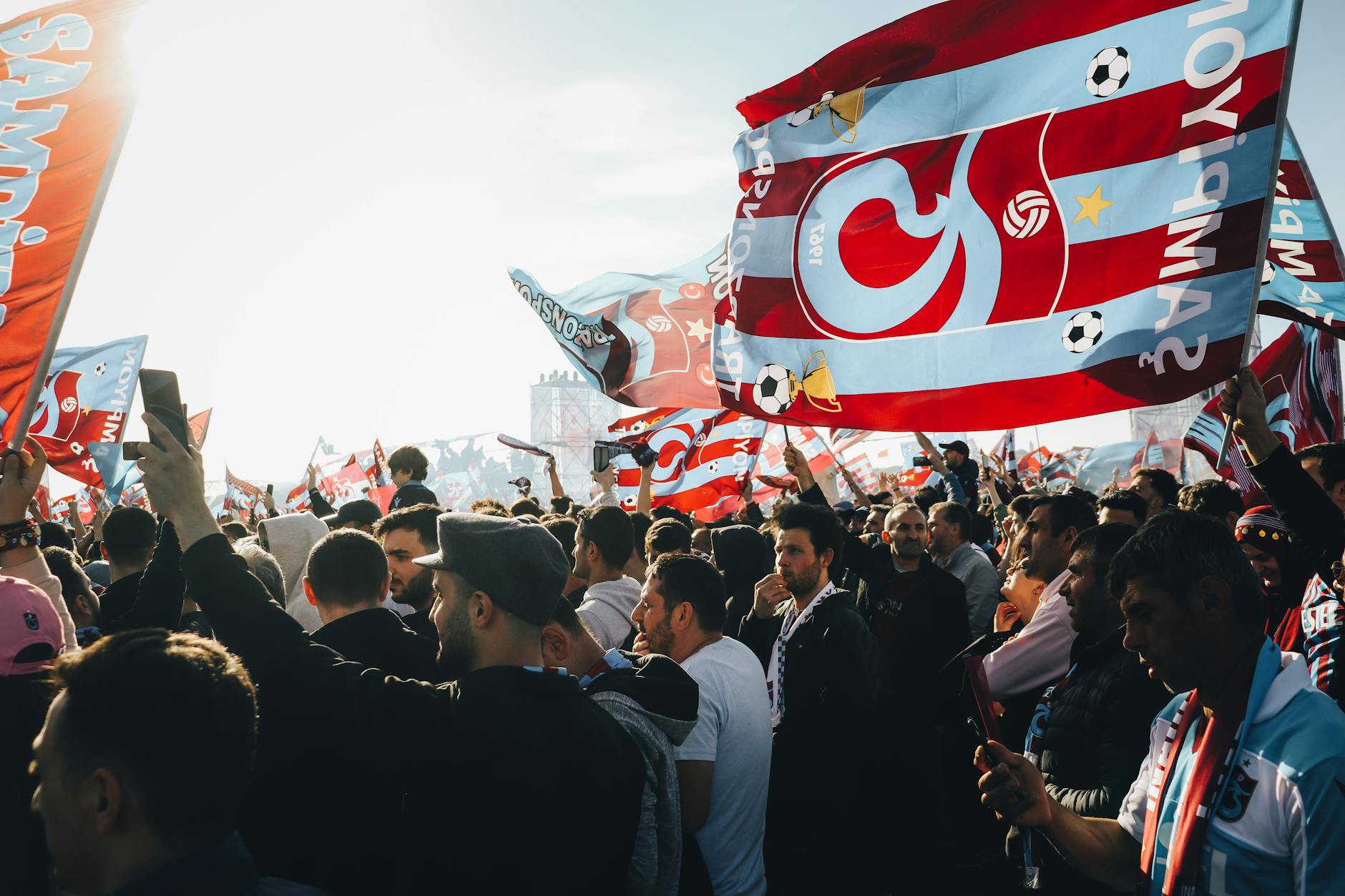
Photo by Beyza Kaplan on Pexels
Frequently Asked Questions
Q: What is the Football 2026 World Cup?
A: The Football 2026 World Cup is the FIFA men’s tournament hosted by Canada, Mexico, and the United States from June 11 to July 19, 2026. It expands the field to 48 teams and the schedule to 104 matches across 16 host cities. The competition begins in Mexico City and ends at MetLife Stadium in New Jersey. Because the format is larger, historical comparisons with the 32-team era require careful adjustment.
Q: How do I start planning for the 2026 World Cup?
A: Start by checking the official FIFA schedule, confirming your target host city, and calculating the complete travel cost. Compare refundable hotels, transport connections, match dates, and at least one contingency route before paying deposits. Fans visiting Los Angeles should also review the eight-match program and 39-day celebration calendar. Keep tickets and accommodation separate in your budget so one change does not destabilize the entire trip.
Q: What is the difference between the 2022 and 2026 World Cups?
A: The 2022 World Cup had 32 teams, while the 2026 World Cup will have 48 teams and 104 matches. The 2026 edition is also distributed across three countries and 16 host cities rather than concentrated in one host nation. That creates more group-stage combinations, longer logistical routes, and greater importance for squad depth. Analysts should update their models instead of copying tournament assumptions from Qatar.
Q: Is betting on the 2026 World Cup worth it?
A: Betting is only potentially worthwhile when your estimated probability exceeds the available price after accounting for margin and risk. A larger 104-match schedule does not guarantee profit because more markets can also mean more bookmaker margin and more emotional decisions. Use fixed stakes, record every selection, and bet only where it is legal and age-appropriate. Never use essential living money, borrowed funds, or a recovery wager after a loss.
Q: Why does a World Cup prediction fail after the lineup is announced?
A: A prediction can fail because the confirmed lineup changes tactical roles, defensive stability, pressing resistance, or chance creation. A missing holding midfielder may affect an entire structure more than a famous attacker’s absence, depending on the opponent. Recalculate after official team news rather than relying on social-media speculation. Record both your pre-lineup and post-lineup probabilities so you can identify whether the adjustment process is improving.
Q: How much should fans budget for a 2026 World Cup trip?
A: There is no single safe budget, but fans should separate tickets, accommodation, flights, local transport, food, insurance, and emergency funds. Costs will vary sharply between Los Angeles, Atlanta, Mexico City, and New Jersey, particularly around knockout matches and the July 19 final. Use refundable reservations where possible and maintain a reserve of at least one additional travel day. Convert every expense into one base currency to prevent exchange-rate blind spots.
Q: What should I do if an unofficial World Cup ticket seller contacts me?
A: Stop communication until the seller is verified through FIFA or an officially authorized ticket channel. Do not send payment, identity documents, cryptocurrency, or bank details to an account relying only on FIFA logos or urgency claims. Capture the seller’s messages and report suspicious activity to the relevant platform and payment provider. Official schedules, fan festivals, and host-city information do not prove that a private account is authorized to sell tickets.
Football Insights will continue tracking 2026 World Cup match predictions, player statistics, tactical developments, host-city news, and responsible betting context as official information changes. The final advantage remains process: verify, measure, compare, and stop when the numbers no longer justify the decision.
For the next stage of your research, follow the latest Football Insights tournament analysis.
Thank you for reading.
Football Insights · The Ledger